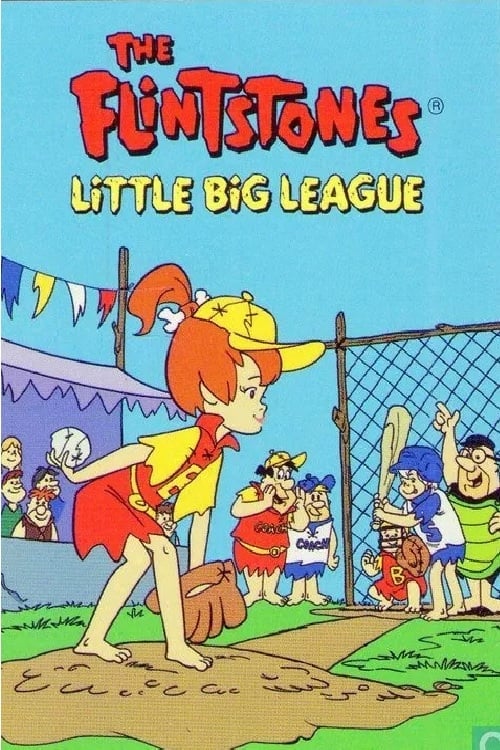
The Flintstones: Little Big League
1978
No user ratings available yet
Representation score: 3.1 out of 10
Representation Score
Fair
2002
TV-GDirector
Chris Savino, David P. Smith
Runtime
85 minutes
Average Rating
No ratings yetNew Showbiz Analysis
The film shifts away from the rigid social structures of the original series. It replaces idealized domesticity with a more psychologically complex exploration of interpersonal dysfunction and marital breakdown. While the narrative challenges traditional gender roles and masculinity, it remains limited in its engagement with diverse identities. The focus stays primarily on the core cast's domestic issues. Ultimately, the film successfully deconstructs the nuclear family unit but falls short in providing meaningful representation for LGBTQ+ or diverse ethnic identities.
Category Breakdown
The film focuses solely on heterosexual marriages and does not include any LGBTQ+ identities or queer storylines.
Wilma Flintstone is shown with significant control over her life and emotions. The film challenges the traditional 'competent patriarch' stereotype by highlighting Fred's internal struggles.
The main cast remains uniform throughout the film. Although Rockapulco provides a unique cultural setting, it serves mainly as a backdrop for the plot.
The story critiques the idealized Western family model by focusing on a troubled marriage and therapy sessions. It leans towards a more skeptical view of institutional stability.
There are no prominent depictions of physical or neurodivergent disabilities. Such traits do not play a central role in the characters' stories.
Present on Screen
Limited or Absent
Official Synopsis
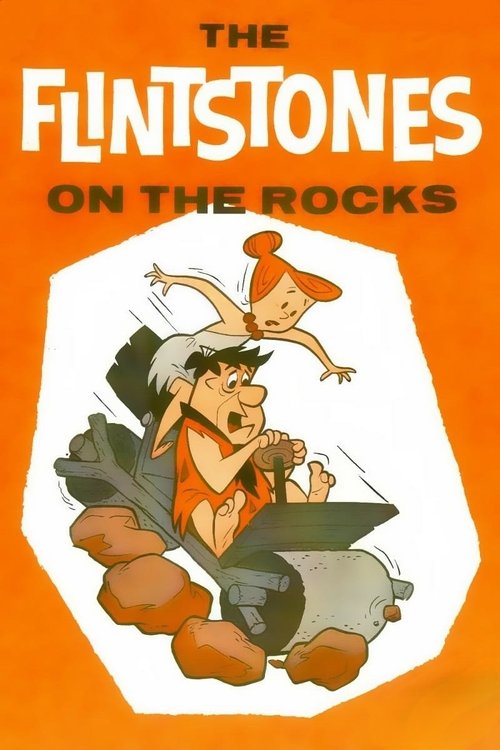
With their marriage on the rocks, Fred and Wilma take a holiday together to rekindle the fire in their relationship.
1978
2000
1986
1994

1993
2003
1980
1993
No reviews yet. Be the first to share your thoughts on this movie!
Use the rating form above to leave a star rating and optional review.