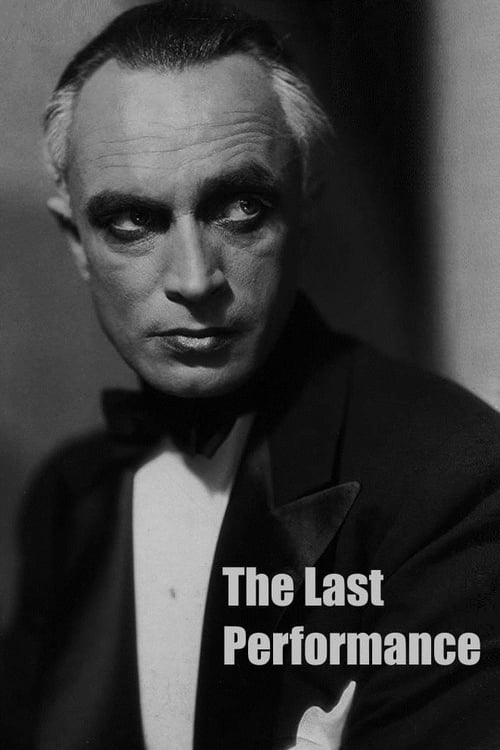
The Last Performance
1929
No user ratings available yet
Representation score: 2.9 out of 10
Representation Score
Fair
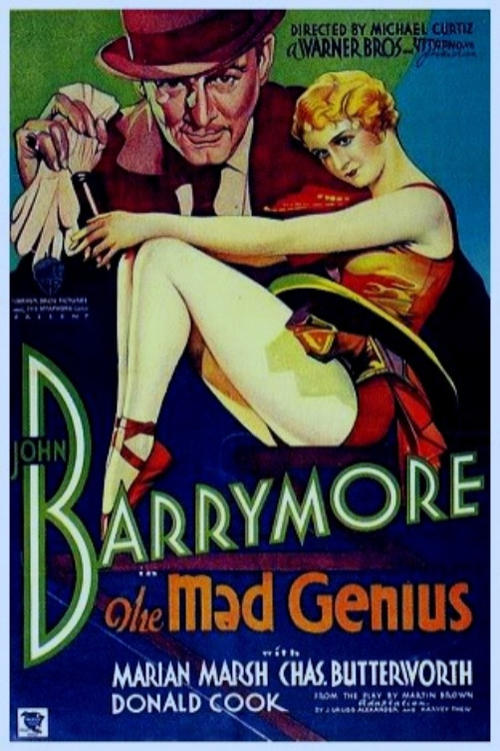
1931
NRDirector
Michael Curtiz
Runtime
81 minutes
Average Rating
No ratings yetNew Showbiz Analysis
The film presents a complex character study that challenges some traditional social structures of the early 1930s. By centering the narrative on a disabled puppeteer who exerts profound influence over a male dancer, the film shifts typical power dynamics and explores themes of obsessive devotion. However, the work remains limited by the era's casting norms and narrative clichés. The lack of racial diversity and the functional, rather than independent, role of the female lead reflect the period's standard studio constraints. Ultimately, the film's strength lies in its psychological depth and its willingness to explore unconventional, potentially coercive relationships through its central characters.
Category Breakdown
The film explores a potentially non-traditional bond between a puppeteer and his protégé. The puppeteer's obsessive devotion hints at unconventional intimacy. While the plot centers on a romantic triangle, the puppeteer's behavior suggests deeper, unspoken connections.
The puppeteer disrupts traditional hierarchies by controlling the male protagonist's development. However, the female character serves primarily as a plot catalyst, limiting her independent role within the narrative.
The production follows the homogeneous casting patterns typical of the 1931 studio era. There is no evidence of non-white or non-Anglo-Saxon representation in the cast.
The story examines moral relativism through the 'mad genius' archetype. It deconstructs traditional mentorship by focusing on a volatile, obsessive creative impulse that operates outside social ethics.
A character with a physical disability drives the entire plot as the primary architect of the protagonist's life. The portrayal grants him a significant role in driving the story rather than mere passivity.
Present on Screen
Limited or Absent
Official Synopsis
A crippled puppeteer rescues an abused young boy and turns the boy into a great ballet dancer. Complications ensue when, as a young man, the dancer falls in love with a young woman the puppeteer is also in love with.
1929

1928
1931
1932
1978
1925
1926
1923
No reviews yet. Be the first to share your thoughts on this movie!
Use the rating form above to leave a star rating and optional review.