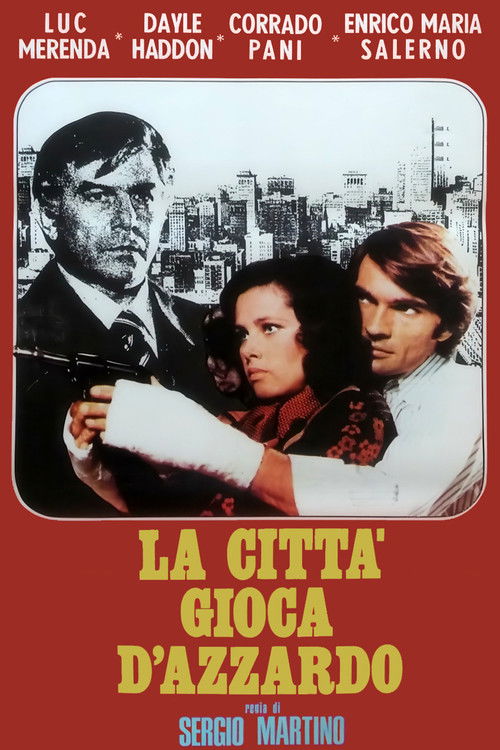
Gambling City
1975
No user ratings available yet
Representation score: 2.5 out of 10
Representation Score
Fair
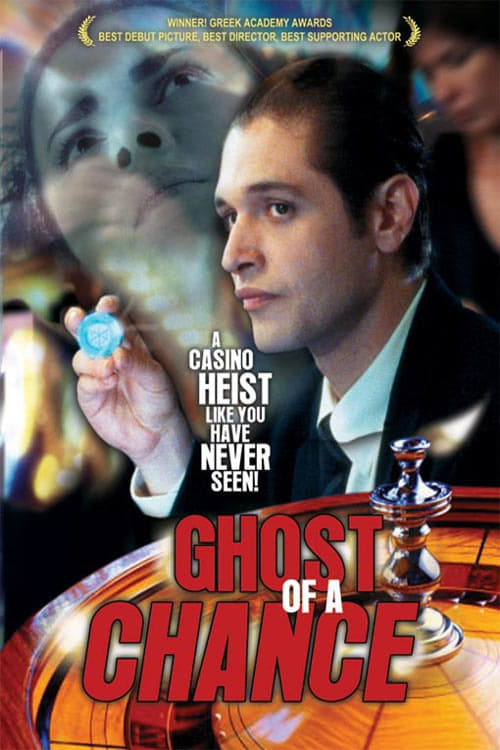
2002
Director
Vangelis Seitanidis
Runtime
100 minutes
Average Rating
No ratings yetNew Showbiz Analysis
Ghost of a Chance is a character-driven drama that emphasizes socio-economic realism. By focusing on Vera’s struggle for survival, the film shifts away from typical gambling clichés to explore female empowerment and systemic oppression. The film lacks diverse representation, particularly in LGBTQ+ and multi-ethnic contexts. It primarily examines Greek life and the challenges of economic instability. Ultimately, the work succeeds by dismantling traditional heroic narratives, presenting a nuanced view of how individuals cope with corrupt institutions and harsh living conditions.
Category Breakdown
The story focuses on a heterosexual relationship between Takis and Vera. There are no visible representations of LGBTQ+ identities or narratives involving non-cisgender individuals.
Vera is a strong protagonist who challenges traditional gender roles through her work and active role in the story. The film highlights her economic struggles and survival over male-dominated gambling clichés.
As a Greek production, the film does not feature multi-ethnic casting. It stays focused on a specific socio-economic reality, avoiding a globalized perspective.
The story critiques capitalist institutions and the fragility of family stability. It portrays the characters' illegal actions as a response to systemic pressures and institutional corruption.
There are no visible or hidden disabilities that play a central role in the character arcs or the story's progression.
Present on Screen
Limited or Absent
Official Synopsis
In the casino there is only one queen, the small ball that spins on the roulette table. None of the players pays the slightest attention to the female dealers. But Takis, a «perennial» med student, doesn't go to the casino to win millions but to earn a day's wages. Vera works in a gym but trains and gets a second job as a dealer. Her aim is to protect her mother since regulations forbid relatives of employees from entering the casino. Let her Dad knock himself out. There's no way he'll ever play roulette again! At some point, Takis and Vera become lovers. They rig a game at the roulette table, leave the money with her mother and hide out in a friend's house, where their romantic dream soon succumbs to the wretched conditions in which they live. When her father dies of a heart attack in his Jeep, Vera suddenly finds herself with money. At the funeral, the manager of the casino threatens to send her to prison...
1975
1998

2012

1956
2013

1976

1990
2003
No reviews yet. Be the first to share your thoughts on this movie!
Use the rating form above to leave a star rating and optional review.