
Married Life
1993
No user ratings available yet
Representation score: 6.0 out of 10
Representation Score
Good
1996
RDirector
Paul Mazursky
Runtime
91 minutes
Average Rating
No ratings yetNew Showbiz Analysis
Faithful offers a moderately progressive perspective on domestic life by breaking down the idealized nuclear family. It moves away from traditional clichés of domestic stability to explore the psychological impact of infidelity. The film excels in highlighting the protagonist's psychological journey and ability to act. However, it lacks characters who reflect more than one aspect of diversity of LGBTQ+ and racial diversity. Overall, the film's strength lies in its exploration of mental health and the subversion of traditional gender roles, though the broader cast remains unverified for diversity.
Category Breakdown
The film does not include any explicitly LGBTQ+ characters or situations that challenge traditional heterosexual norms. The story revolves around a marriage crisis that follows conventional family structures.
The story challenges the typical image of a stable housewife by focusing on a woman who faces betrayal from her husband. It emphasizes the protagonist's internal psychological journey and actions.
There is no indication of a racially diverse cast in the synopsis. The narrative seems to focus on a localized, individual domestic drama.
The film questions the idea of the perfect nuclear family by presenting it as a source of trauma. It prioritizes personal experiences and existential struggles over traditional redemption.
The protagonist's battle with depression is a central part of the story. Mental health issues are treated as a key element of the narrative rather than a side issue.
Present on Screen
Limited or Absent
Official Synopsis
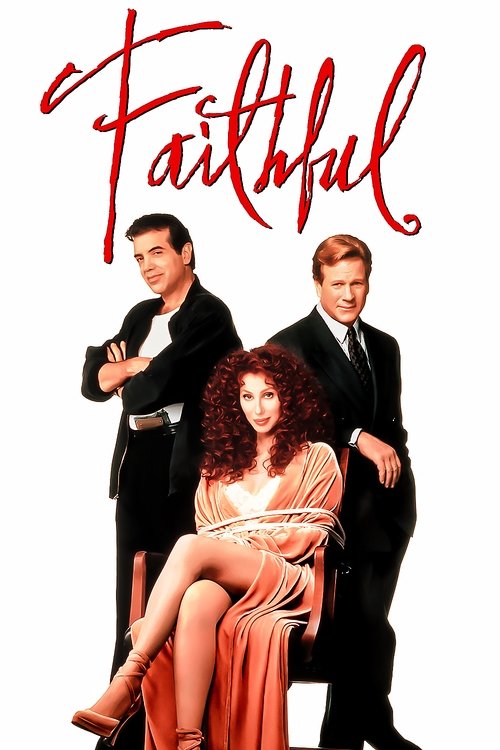
A depressed housewife whose husband is having an affair contemplates suicide, but changes her mind when she faces death by a killer hired to do her in.
1993

1981

2000

1990

2016

1990

2017

1988
No reviews yet. Be the first to share your thoughts on this movie!
Use the rating form above to leave a star rating and optional review.