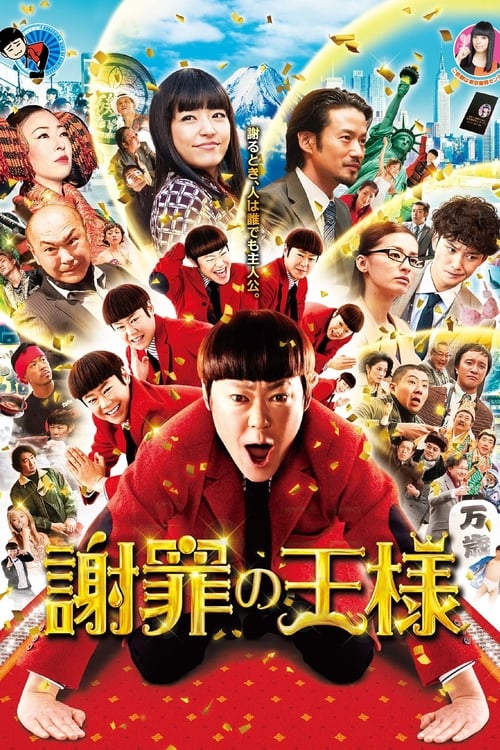
The Apology King
2013
No user ratings available yet
Representation score: 4.9 out of 10

Representation Score
Limited
2014
Director
Tatsushi Ōmori
Runtime
124 minutes
Average Rating
No ratings yetNew Showbiz Analysis
Disconcerto is a localized, character-focused comedy that emphasizes individual ability to act within a specific social context. While the director's realistic approach often delves into social margins, the film adheres to a traditional narrative structure that lacks broad demographic diversity. The narrative structure centers on a male-dominated partnership, limiting the exploration of gender and identity. Without clear markers of diverse representation, the film stays within a more conventional, homogeneous framework. Overall, the film excels in examining characters living outside traditional social structures, but it falls short in pursuing varied representation.
Category Breakdown
The film does not show any clear LGBTQ+ identities or non-traditional gender roles. The story focuses on a group of characters without highlighting queer experiences.
The story revolves around a partnership between two male characters, Keisuke Tada and Haruhiko Gyoten. There are no female characters shown to have strong roles or challenge traditional gender roles.
Set in a fictional Japanese city, the film features a mostly uniform cast reflecting a homogeneous population. It does not include diverse casting to break typical genre expectations.
The 'benriya' concept allows for exploring moral ambiguity and situational ethics. This framework questions traditional legalistic views by navigating the grey areas of necessity.
There is no mention of characters with visible or invisible disabilities in the film.
Present on Screen
Limited or Absent
Official Synopsis
Set within the fictional city of Mahoro, Keisuke Tada runs a "benriya" - a general problem solver for hire. His assistant is his former high school classmate Haruhiko Gyoten. A big crisis then occurs for them.
2013

2018
2014

2016

2015

2007

2013
2022
No reviews yet. Be the first to share your thoughts on this movie!
Use the rating form above to leave a star rating and optional review.