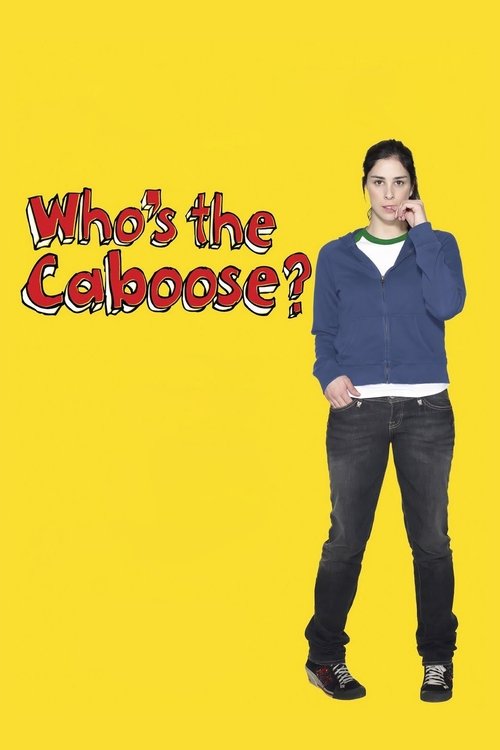
Who's the Caboose?
1997
No user ratings available yet
Representation score: 3.4 out of 10
Representation Score
Fair
1994
RDirector
Eric Schaeffer, Donal Lardner Ward
Runtime
84 minutes
Average Rating
No ratings yetNew Showbiz Analysis
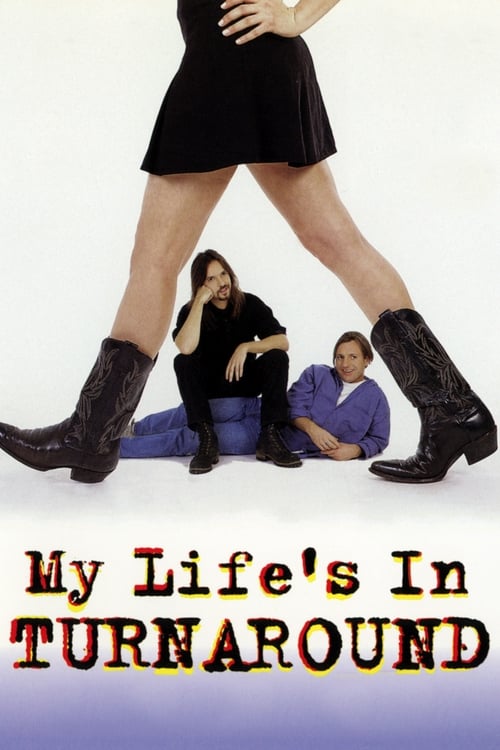
My Life's in Turnaround stands out as a piece of early 90s independent cinema that prioritizes non-traditional identities. By placing LGBTQ+ experiences at the heart of the story, it successfully challenges the assumption that everyone is straight or cisgender. While the film excels in exploring queer ability to act and subjective morality, it remains tethered to a very specific demographic. The setting and cast composition result in a lack of racial and ethnic diversity, creating a narrow social lens. Ultimately, the film is a study of personal evolution and the deconstruction of traditional life trajectories. It trades conventional success for emotional complexity, though it remains focused primarily on the male perspective.
Category Breakdown
The film places gay male relationships and queer identity at the center of the story, providing main characters with significant depth and ability to act. This focus ensures that queer identities are not just peripheral but integral to the narrative.
The film explores fluid romantic dynamics and moves away from rigid gender hierarchies. However, the narrative's heavy emphasis on the male experience somewhat moderates the subversion of traditional masculine leadership.
The story reflects a predominantly white, localized urban environment in 1990s Manhattan. The lack of diverse racial backgrounds limits the narrative's breadth regarding ethnic representation.
The film prioritizes postmodern sensibilities and individual truth over traditional religious or institutional values. It centers on the 'slacker' archetype, critiquing conventional capitalist upward mobility.
There is no significant evidence regarding the portrayal of physical or neurodivergent disabilities within the narrative.
Present on Screen
Limited or Absent
Official Synopsis
Two Manhattan slackers want to make a movie about their lives. One drives a cab, the other tends bar; neither has a clue how to make a movie. Things look up when real-life actors Phoebe Cates and Martha Plimpton agree to star in the project.
1997
1998
2003
1995

2023
2007
2000

1987
No reviews yet. Be the first to share your thoughts on this movie!
Use the rating form above to leave a star rating and optional review.