
One Night Only
1986
No user ratings available yet
Representation score: 4.4 out of 10

Representation Score
Limited
1990
RDirector
Chuck Vincent
Runtime
80 minutes
Average Rating
No ratings yetNew Showbiz Analysis
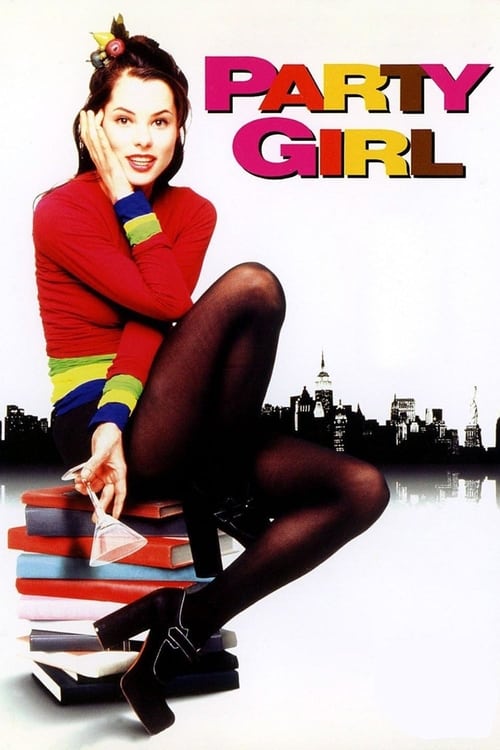
Party Girls operates as a genre-specific comedy that leans heavily on the social clichés of the early 1990s. While the female characters show economic initiative by starting their own business, the film remains tied to conventional social structures. The narrative lacks intentional multi-layered representation. It prioritizes traditional romantic arcs and material success over disrupting established cultural hierarchies or including diverse identities. Ultimately, the film functions within a narrow framework of early 90s genre filmmaking, prioritizing familiar formulas over progressive storytelling.
Category Breakdown
The film centers on heterosexual relationships and the pursuit of wealth. It does not include characters with non-binary gender identities or stories that challenge traditional gender roles.
Female characters drive the plot by starting a business to address financial instability. However, their labor is framed through the 'scantily-clad' cliché, reinforcing a traditional male perspective.
The film appears to follow homogeneous casting patterns typical of early 90s comedies. There is no indication of a diverse or non-Anglo-Saxon majority cast.
Themes of capitalism and financial desperation are explored through individualistic pursuits. The focus on class mobility suggests a preoccupation with material success rather than a critique of systemic issues.
There is no evidence of characters with visible or invisible disabilities. The film does not engage with neurodivergence or physical impairment in its narrative.
Present on Screen
Limited or Absent
Official Synopsis
Marilyn Saunders finds herself in dire financial difficulties. To remedy the situation, she and her friends form a company providing "Party Girls" to those requiring the services of scantily-clad women. Marilyn's male partner is madly in love with her, but she only has eyes for a rich investor. The party girls work at playing matchmaker, while an apartment full of guys and a slumber party full of women watch the events unfold on video, just as we do, in an interesting bit of meta-fiction.
1986
1989
1987
1995

1990

1969
1987
2023
No reviews yet. Be the first to share your thoughts on this movie!
Use the rating form above to leave a star rating and optional review.