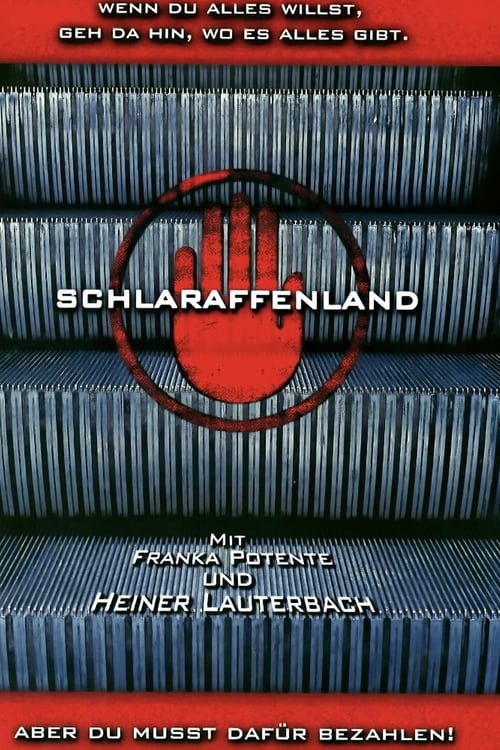
Paradise Mall
1999
No user ratings available yet
Representation score: 5.3 out of 10
Representation Score
Fair
1997
Director
Maciej Dutkiewicz
Runtime
94 minutes
Average Rating
No ratings yetNew Showbiz Analysis
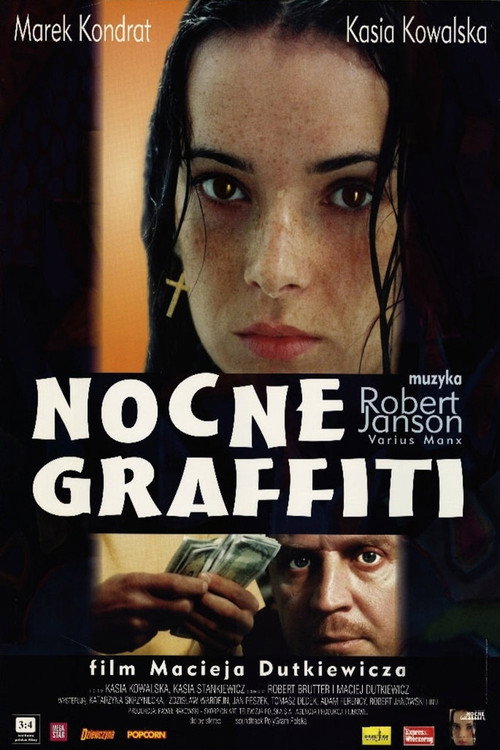
Nocne graffiti is a genre-driven action film that follows the conventional clichés of late-90s Eastern European cinema. While it avoids deep multi-layered complexity, it offers a compelling arc of female empowerment through Monica's transition from victim to tactical leader. The film's diversity is limited by its focus on a localized, homogeneous social environment and a standard framework that assumes everyone is straight or cisgender. It prioritizes the high-stakes conflict of a war against the drug mafia over systemic social critique. Ultimately, the narrative uses character vulnerabilities, such as addiction, as functional plot devices to drive the action forward rather than as tools for nuanced representation.
Category Breakdown
The film follows a standard framework that assumes everyone is straight or cisgender. There are no explicit queer narratives or representations of non-cisgender identities.
Monica shifts from being a passive victim of addiction to an active leader who organizes a squad to fight the mafia. Her journey highlights her growing influence and control over the narrative.
The setting suggests a localized, homogeneous social environment. There is no evidence of a multi-ethnic cast or diverse racial representation within the narrative.
The plot focuses on a traditional justice-oriented struggle against organized crime. It lacks a critique of Western institutions or a focus on secular themes.
Monica's addiction serves as a central plot driver. However, her condition functions primarily as a catalyst for conflict rather than exploring neurodivergent identity.
Present on Screen
Limited or Absent
Official Synopsis
A hardened airborne instructor discovers his niece is drowning in drugs. When he confronts her dealer, the city’s crime bosses hit back hard. Beaten and warned off, Marek Kossot is ready to walk away - until he finds her overdosed and unconscious. Rallying his former soldiers, he launches a brutal private war against the narcotics mafia in a city where gangsters, politicians, and the law are all dangerously intertwined.
1999
2012

2009
1999
2011
1977
1994

2015
No reviews yet. Be the first to share your thoughts on this movie!
Use the rating form above to leave a star rating and optional review.