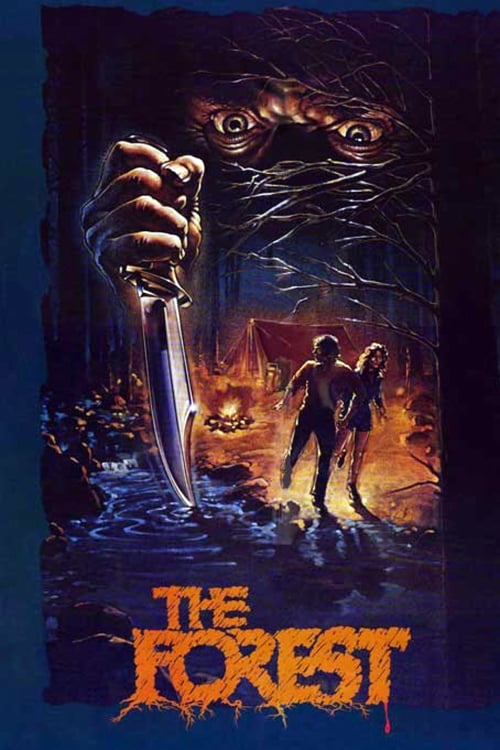
The Forest
1982
No user ratings available yet
Diversity score: 2.2 out of 10

1983
RDirector
Edwin Brown
Runtime
80 minutes
Average Rating
No ratings yetSynopsis
Three young couples set off into the mountains for a weekend of climbing, drinking and lovemaking; little do they know that they are stumbling into the terrain of a fearsome predator – a wild man, horrifically burned as a child many years ago in a fire which engulfed his gypsy camp and left only him alive, roaming the woods in search of his next human prey.
Overall Score
Limited
Category Breakdown
LGBTQ+ Representation
The film centers on three couples, a structure that reinforces heteronormative relationship models. There is no evidence of non-cisnormative identities or critiques of traditional social structures.
Gender Representation
The narrative relies on traditional gendered power dynamics common to the slasher genre. Female characters occupy roles of vulnerability while men act as protectors or ineffective figures.
Racial & Ethnic Diversity
The production suggests a homogeneous cast typical of 1980s low-budget horror. There is no indication of non-white majority ensembles or diverse casting.
Religious & Cultural Diversity
The story operates within a standard Western framework of individualist survival. It lacks any deconstruction of Western institutions or significant cultural critique.
Disability Representation
The antagonist is a deformed man, utilizing the 'monstrous other' trope. Physical disability serves as a shorthand for villainy rather than being portrayed with dignity.
Strengths
Areas for Improvement
AI Analysis
The Prey is a product of 1980s slasher tropes, prioritizing genre conventions over intersectional complexity. It follows a predictable structure where marginalized identities are often relegated to victims rather than agents of change. The film lacks meaningful representation across most categories. It relies on traditional hierarchies and uses physical difference as a tool for horror, reinforcing historical cinematic patterns of using disability to signify moral corruption.
1982
2010

2021
1982
2006
1993
1980

1981

2007

1983
2009

2016
No reviews yet. Be the first to share your thoughts on this movie!
Use the rating form above to leave a star rating and optional review.