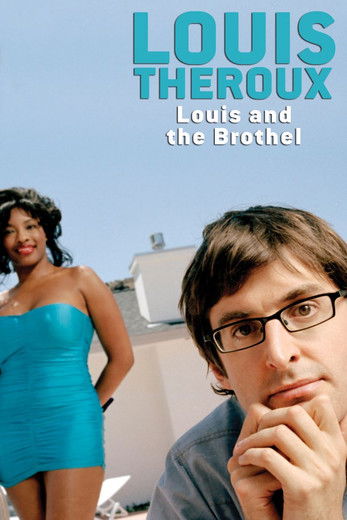
Louis Theroux: Louis and the Brothel
2003
No user ratings available yet
Diversity score: 6.7 out of 10

2006
Not RatedDirector
Jake Clennell
Runtime
78 minutes
Average Rating
No ratings yetSynopsis
Welcome to The Great Happiness Space: Rakkyo Café. The club's owner, Issei (22), has a staff of twenty boys all under his training to become the top escorts of Osaka's underground love scene. During their training, they learn how to dress, how to talk, how to walk, and most importantly, how to fake relationships with the girls who become their source of income. Join us as Osaka's number one host boy takes us on a journey through the complex and heartrenching world of love for sale in the Japanese underground.
Overall Score
Fair
Category Breakdown
LGBTQ+ Representation
The film examines a subculture defined by performative intimacy and gendered emotional labor. While it challenges heteronormative romance through stylized performances, it lacks explicit depictions of queer identities.
Gender Representation
The narrative subverts traditional masculine archetypes by centering men in roles of emotional vulnerability. These hosts utilize empathy and aesthetic grooming as professional tools for economic survival.
Racial & Ethnic Diversity
Set in Osaka, the film provides a localized Japanese perspective. A Western observer provides a cross-cultural lens, though this prevents a purely non-Anglo-centric narrative structure.
Religious & Cultural Diversity
The documentary critiques the commodification of affection within globalized capitalism. It challenges Western romantic ideals by presenting human connection as a transactional, morally relativistic utility.
Disability Representation
There is no discernible evidence regarding the representation of physical or neurodivergent disabilities within the film.
Strengths
Areas for Improvement
AI Analysis
The documentary offers a nuanced look at the host club subculture in Osaka, focusing on the intersection of economic survival and emotional labor. It succeeds in deconstructing traditional gender roles by highlighting men who thrive through empathy and aesthetic presentation. However, the film's impact is limited by a lack of explicit focus on specific identity-based politics. While it explores the performance of intimacy, it does not provide deep engagement with LGBTQ+ or disability representation. Ultimately, the work serves as a sophisticated cultural study of how capitalism commodifies human connection, offering a meaningful look at a specialized social niche.
2003
2003

2005

2013

1994

2000

2014
1995
2008

1966

2014

2022
No reviews yet. Be the first to share your thoughts on this movie!
Use the rating form above to leave a star rating and optional review.