
All American High: Revisited
2014
No user ratings available yet
Representation score: 3.6 out of 10
Representation Score
Fair
1999
Director
J.M. Kenny
Runtime
39 minutes
Average Rating
No ratings yetNew Showbiz Analysis
This documentary serves as an archival celebration of a cinematic legacy rather than a vehicle for progressive social commentary. Its primary objective is to reflect on the historical social dynamics of the 1980s. Constrained by its retrospective nature, the film observes past demographics and clichés instead of constructing new, multi-layered representations or challenging traditional hierarchies. Ultimately, the film functions as a medium for preservation. It revisits cultural shifts but lacks the intentionality required to drive modern representation forward.
Category Breakdown
The documentary looks back at queer identity through the lens of the original 1982 film. While it touches on historical themes, it doesn't have the strong self-authored narratives found in modern LGBTQ+ stories.
This work examines gender dynamics from the late 1970s and early 1980s. It provides a platform to discuss women's roles, but often focuses on the clichés of that era.
The focus is on a specific cultural reference from the early 1980s. It functions more as an observation of past demographics rather than an active driver of contemporary diverse representation.
The film explores counter-cultural movements and social rebellion. It engages with themes of non-conformity by breaking down the traditional high school social structures of a previous generation.
There is no evidence that disability, neurodivergence, or chronic illness are central themes or addressed with specific power in this documentary.
Present on Screen
Limited or Absent
Official Synopsis
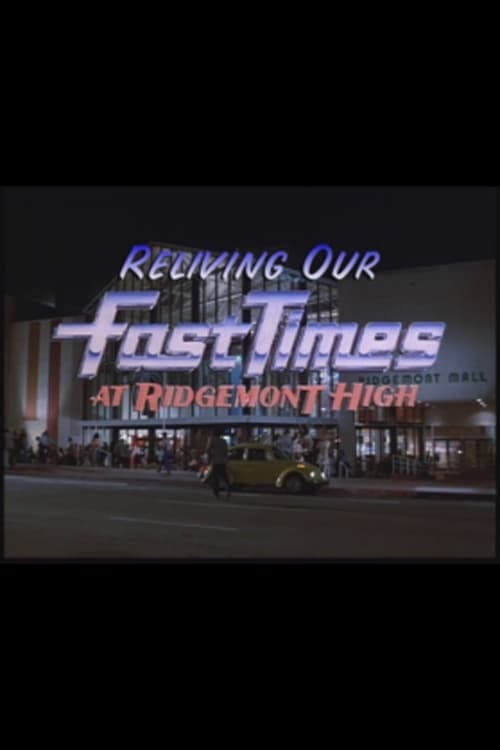
This documentary is featured on the Collector's Edition, High School Reunion Edition, and Awesome Special Edition DVDs for 'Fast Times at Ridgemont High'.
2014

1981

1983

1995

2010
1999

2008

2018
No reviews yet. Be the first to share your thoughts on this movie!
Use the rating form above to leave a star rating and optional review.