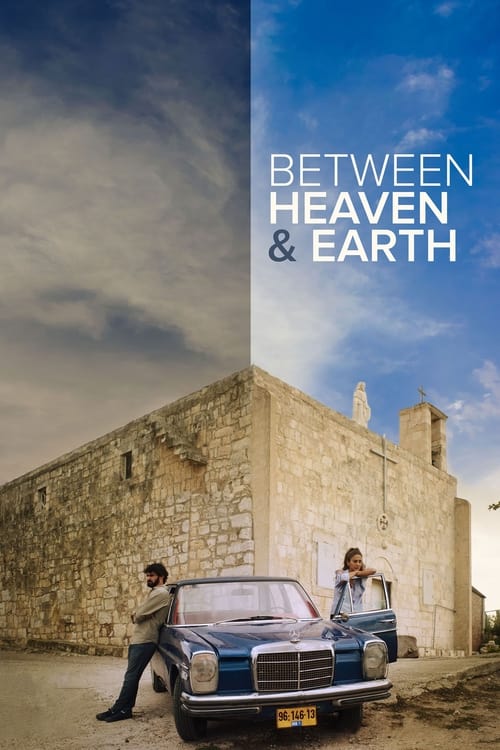
Between Heaven and Earth
2019
No user ratings available yet
Representation score: 5.8 out of 10
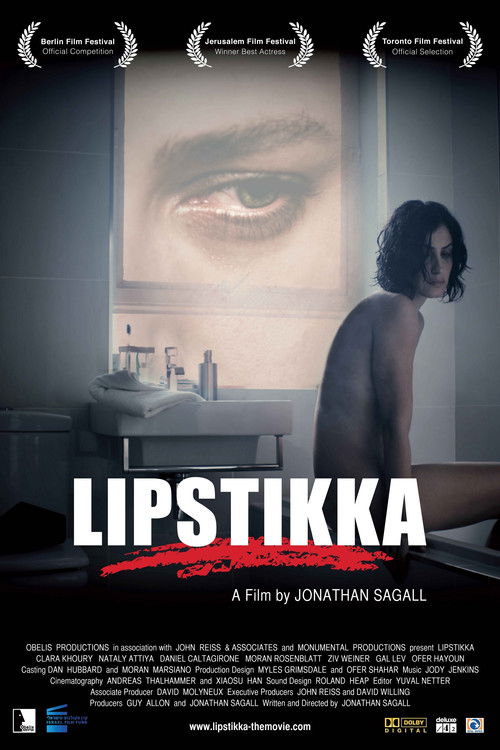
Representation Score
Excellent
2011
Director
Jonathan Sagall
Runtime
90 minutes
Average Rating
No ratings yetNew Showbiz Analysis
Lipstikka is a sophisticated example of storytelling that reflects multiple aspects of identity. It successfully navigates the intersections of ethnic identity, queer desire, and the psychological fallout of geopolitical conflict. The film excels by prioritizing the internal lives of underrepresented women. By contrasting the sterility of Western domesticity with the intense, traumatic memories of the West Bank, it creates a rich, non-linear narrative. While the film provides deep cultural and ethnic nuance, its exploration of disability remains primarily focused on psychological fragmentation rather than specific clinical representation.
Category Breakdown
The film highlights a profound, unresolved connection between two women, referencing a past love affair between Lara and Inam. It delves into the complexities of queer longing and suppressed identity.
The narrative challenges traditional hierarchies by centering women's ability to drive the story and emotional landscapes. Inam disrupts Lara’s controlled domestic existence, subverting the cliché of the passive female lead.
The story provides significant depth to the Palestinian diaspora experience by weaving contemporary London life with historical realities of the West Bank during the 1994 Intifada.
The film critiques Western domesticity by portraying Lara's successful London life as cold and grey. It prioritizes the exploration of systemic trauma and historical forces over a unified moral framework.
The film explores neuro-psychological themes through Lara's trauma and coping mechanisms, such as her use of vodka. However, it is unclear if these are treated as clinical conditions.
Present on Screen
Limited or Absent
Official Synopsis
Lara is Palestinian and lives in London. She has everything she wants in her life: a husband, a son and a beautiful house in one of the best areas of the city. Nevertheless, her everyday life appears cold and grey, only brightened up by surreptitious sips of vodka. But one day, Inam, a sensual, resolute girl, knocks on her door. Lara seems to be transported back to her adolescence when she and Inam were close friends, and studied together in Ramallah. In Lara's astonished eyes we see a mixture of fear and desire towards the woman whom she had lost sight of. A deceptive tangle of memories which a trauma, a love affair and an experience with two Israeli soldiers in Jerusalem an re-surface. From a gripping, well structured emotional thriller that traces back their memories through recurrent flashbacks that take us to the West Bank in 1994, during the Intifada.
2019

2013

2013
2016
2013
2015
2013

2016
No reviews yet. Be the first to share your thoughts on this movie!
Use the rating form above to leave a star rating and optional review.