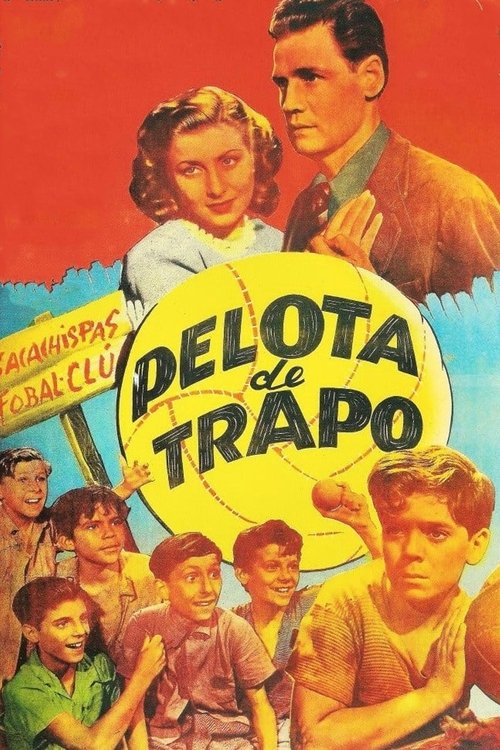
Pelota de trapo
1948
No user ratings available yet
Representation score: 2.8 out of 10

Representation Score
Fair
1951
Director
Agustín P. Delgado
Runtime
98 minutes
Average Rating
No ratings yetNew Showbiz Analysis
El Papelerito is a mid-century drama that emphasizes social realism over contemporary multi-layered themes. Its strength lies in portraying the daily lives of the impoverished and the vulnerabilities faced by underrepresented communities. While it does not explicitly represent LGBTQ+ identities or disabilities, the film goes beyond mere escapism. By focusing on themes of social exclusion and systemic hardship, it offers a critical look at class-based hierarchies. Ultimately, the film provides a window into the social struggles of its time, emphasizing the emotional resilience of those who are underrepresented.
Category Breakdown
The film does not include explicit queer narratives or characters with non-binary gender identities. Instead, it focuses on the bonds between generations and childhood friendships.
Doña Dominga is portrayed as a gentle elderly woman who provides stability. However, she seems to fit into a traditional nurturing role rather than taking on a more subversive or challenging position.
The story centers on communities facing economic hardships and social exclusion. This focus contrasts with more affluent and homogenous depictions found in many films.
The film examines social structures by highlighting the struggles of those who are disenfranchised. It looks at systemic issues through the lens of survival and hardship.
There are no characters with physical or neurodivergent disabilities featured in the narrative.
Present on Screen
Limited or Absent
Official Synopsis
Three children forge a close friendship with the help of a gentle elderly woman, Doña Dominga. They survive poverty and social exclusion; however, fate has a cruel twist in store for little Toño.
1948

1962

1939

1949
1958
1979

1979

1974
No reviews yet. Be the first to share your thoughts on this movie!
Use the rating form above to leave a star rating and optional review.