
Memoir of a Murderer
2017
No user ratings available yet
Representation score: 4.2 out of 10
Representation Score
Fair
2010
Director
Jo Won-hee, Kim Sang-hwa
Runtime
92 minutes
Average Rating
No ratings yetNew Showbiz Analysis
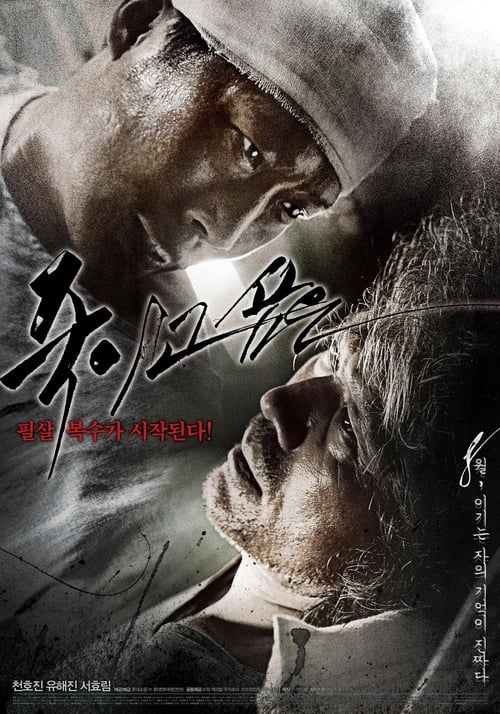
Enemy At The Dead End functions primarily as a high-tension psychological thriller. It emphasizes suspense and plot mechanics over challenging social hierarchies or addressing multiple aspects of diversity. The film's strongest contribution to diversity is its central focus on disability. By centering a protagonist dealing with both physical paralysis and PTSD, the narrative goes beyond superficial representation. However, the film remains largely within established genre frameworks. It lacks significant engagement with LGBTQ+ identities or diverse gender dynamics, functioning instead as a culturally specific South Korean thriller.
Category Breakdown
The film focuses on high-stakes conflict and survival themes. It does not include any non-straight or non-cisgender identities or critiques of the assumption that everyone is straight or cisgender.
The story centers on a male protagonist and a criminal gang. The narrative follows typical thriller dynamics without emphasizing female empowerment.
As a South Korean production, the cast is mainly East Asian. The film provides a culturally specific viewpoint within its domestic industry.
The story explores trauma and systemic instability. It focuses on individual survival rather than criticizing institutions or traditional morality.
A character with PTSD and physical paralysis plays a central role. This portrayal provides a level of influence that goes beyond a minor character.
Present on Screen
Limited or Absent
Official Synopsis
A post-traumatic stress disorder patient bound to his bed finds himself sharing his room with a gang looking for a paralyzed amnesia patient. And he must kill him off before he is recognized.
2017
2011

2019
2018
2013

2017
2014

2019
No reviews yet. Be the first to share your thoughts on this movie!
Use the rating form above to leave a star rating and optional review.