
The Appleton Ladies' Potato Race
2023
No user ratings available yet
Representation score: 6.1 out of 10
Representation Score
Fair
2001
PGDirector
Jane Anderson
Runtime
90 minutes
Average Rating
No ratings yetNew Showbiz Analysis
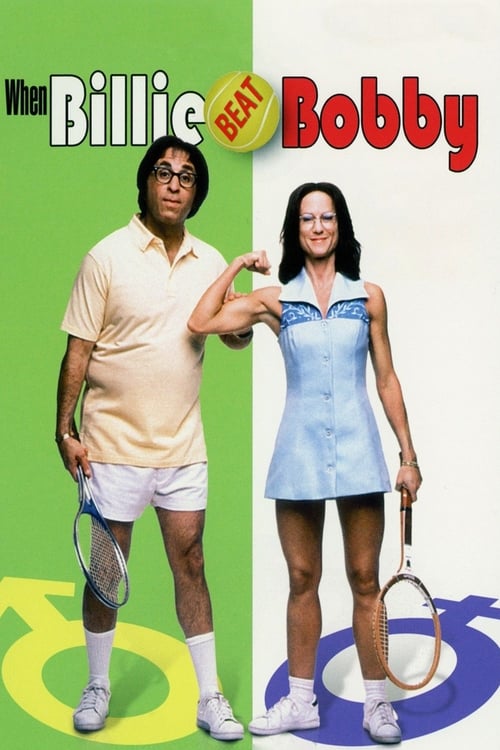
This biographical drama uses a historic sporting event to explore changing social hierarchies. By focusing on the 'Battle of the Sexes,' the film emphasizes the dismantling of traditional masculine authority and the validation of female empowerment. While the film excels in highlighting gender equity, it lacks depth in other areas. The historical context of 1973 professional tennis suggests a narrow focus on gender issues, with limited representation of racial and LGBTQ+ identities. Ultimately, the film serves as a significant examination of gendered power dynamics, even if it remains confined to a specific, historically narrow social conflict.
Category Breakdown
The film does not include any explicit LGBTQ+ characters or narratives. Although the era and feminist themes often intersect with queer history, there are no specific depictions of LGBTQ+ individuals.
The story centers on Billie Jean King's victory to challenge traditional gender hierarchies. Female physical strength and competitive spirit are key drivers of the plot.
The film likely reflects the predominantly white athletic environment of 1973 professional tennis. While the feminist framework allows for exploring multiple aspects of diversity, the primary tension remains centered on gender issues.
The story engages with breaking down patriarchal structures and promoting social progress. It frames a historic sporting event as a victory for feminist ideals.
There is no indication of characters with visible or invisible disabilities in this production.
Present on Screen
Limited or Absent
Official Synopsis
The historic 1973 tennis match between middle-aged champion Bobby Riggs and young feminist Billie Jean King.
2023

2017
2006

2017

2013

1993
No reviews yet. Be the first to share your thoughts on this movie!
Use the rating form above to leave a star rating and optional review.