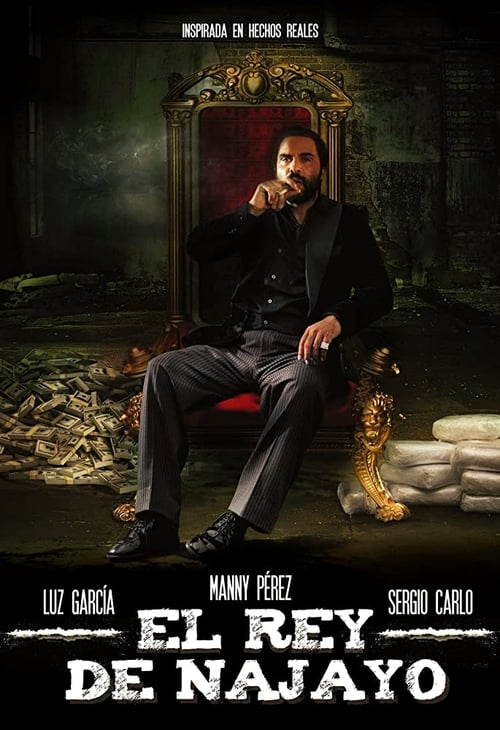
El Rey de Najayo
2012
No user ratings available yet
Representation score: 3.7 out of 10
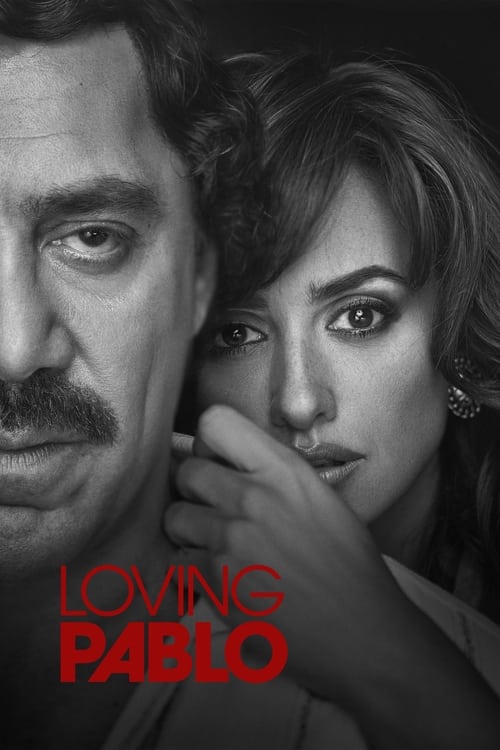
Representation Score
Limited
2017
RDirector
Fernando León de Aranoa
Runtime
123 minutes
Average Rating
No ratings yetNew Showbiz Analysis
Loving Pablo disrupts Western-centric biographical norms by focusing on Colombian political history and the complexities of Latin American power structures. It avoids the typical heroic archetype, opting instead for a study of systemic instability and corruption. However, the film lacks representation of LGBTQ+ identities and individuals with disabilities. The narrative remains centered on the high-stakes, heterosexual relationship at the heart of the biographical drama. Ultimately, the film's strength lies in its portrayal of gendered ability to act and its refusal to present a simplified moral hierarchy, offering a nuanced look at how power affects institutions.
Category Breakdown
The film focuses on a heterosexual relationship between Pablo Escobar and Virginia Vallejo. There are no representations of LGBTQ+ identities or queer narratives.
Virginia Vallejo is portrayed with professional ability to act as a journalist rather than as a passive romantic interest. The film explores the psychological impact of her involvement with powerful figures through non-traditional dynamics.
The story centers on Colombian history and features Latin American figures, moving away from Anglo-centric storytelling. It examines the systemic impact of the drug trade on regional social structures.
The narrative critiques traditional institutions and the intersection of media and government. It deconstructs the 'great man' myth by presenting the protagonist within a cycle of systemic violence.
There is no prominent focus on neurodivergence, physical disability, or chronic illness as central narrative drivers within the film.
Present on Screen
Limited or Absent
Official Synopsis
The film chronicles the rise and fall of the world's most feared drug lord Pablo Escobar and his volatile love affair with Colombia's most famous journalist Virginia Vallejo throughout a reign of terror that tore a country apart.
2012
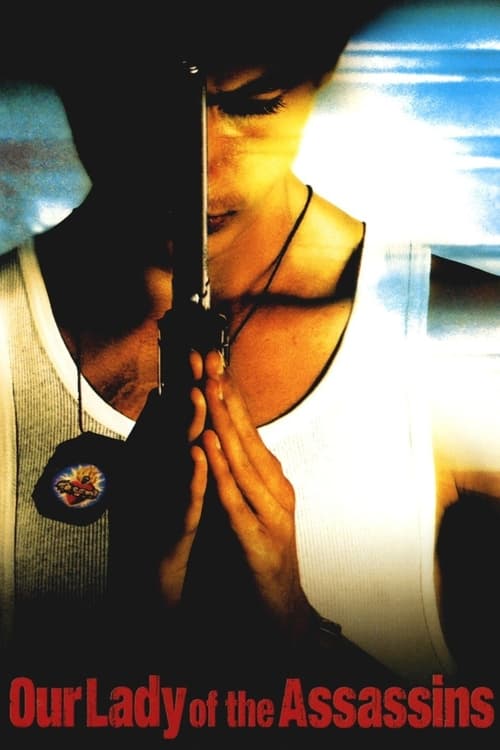
2000

2008
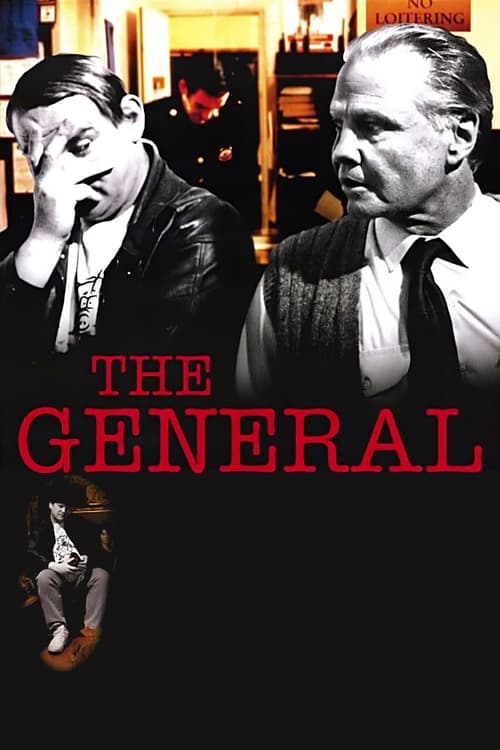
1998
2016

2006

2008

2010
No reviews yet. Be the first to share your thoughts on this movie!
Use the rating form above to leave a star rating and optional review.