
Homefront
2013
No user ratings available yet
Representation score: 2.6 out of 10
Representation Score
Fair
2009
RDirector
Garrett Bennett
Runtime
92 minutes
Average Rating
No ratings yetNew Showbiz Analysis
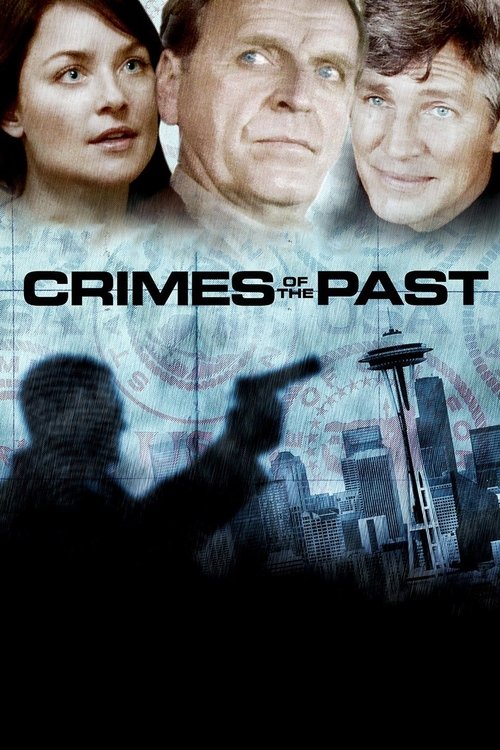
Crimes of the Past follows a conventional genre thriller format, emphasizing a traditional masculine redemption arc centered on a male veteran's journey. The narrative prioritizes a personal perspective on state-sponsored violence and family dynamics. While the film delves into psychological trauma and family dysfunction, it does not challenge established social hierarchies or offer perspectives that reflect multiple aspects of identity. The story adheres to standard Western storytelling conventions.
Category Breakdown
The film focuses on a traditional family structure with a husband, wife, and daughter. There are no representations of same-sex relationships or non-cisgender identities.
The story revolves around a male protagonist's journey marked by violence and traditional masculinity. Josephine's role is defined by the impact of the male lead's actions.
The film features a predominantly white cast and centers on a typical Western protagonist within a CIA setting. There is no indication of a diverse cast.
The narrative explores themes of family dysfunction and state violence through individual trauma. The story emphasizes personal reconciliation and the sanctity of the paternal bond.
The protagonist's physical and psychological scars suggest trauma or PTSD. These elements serve as 'wounded hero' clichés rather than nuanced explorations of disability.
Present on Screen
Limited or Absent
Official Synopsis
After Tommy Sparrow is severely wounded in a covert CIA operation, he comes home to discover his wife with another man. Tommy’s rage and wounds frighten his seven-year-old daughter Josephine. When Tommy’s wife tells him to leave and never come home, Tommy disappears back into the CIA, employing his skills as a spy to covertly watch his only daughter grow up.Twenty-five years later, Tommy Sparrow finally comes in from the cold – to retirement. Josephine is battling her own destructive nature and the damage done by the disappearance of her father. Tommy carries his scars both inside and out – and while his cold war operations never seem far behind, Tommy’s journey home will surpass any mission he ran with the Agency – because reuniting with Josephine and becoming her father may cost him his life.
2013

2012

2015
2011

2007
2006

2024

1990
No reviews yet. Be the first to share your thoughts on this movie!
Use the rating form above to leave a star rating and optional review.