Then Barbara Met Alan
2022
No user ratings available yet
Representation score: 8.7 out of 10
Representation Score
Good
2026
RDirector
Sian Heder
Runtime
127 minutes
Average Rating
No ratings yetNew Showbiz Analysis
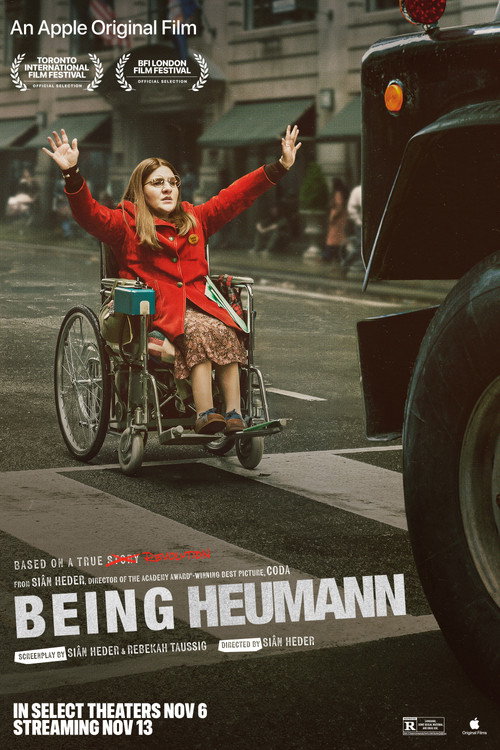
The film centers Judith Heumann’s leadership in the 1977 disability rights movement, positioning disabled people as political agents challenging a broken system. It highlights the intersection of race and disability through its diverse cast of activists, including Black figures Chuck Jackson and Brad Lomax. The narrative treats the US government as an obstacle that must be confronted through civil disobedience, focusing on systemic change and the moral imperative of inclusion while avoiding pity or inspiration tropes.
Category Breakdown
No LGBTQ+ characters, relationships, or identities appear in the cast or synopsis. The narrative focuses exclusively on disability rights activism and the 1977 Section 504 protests.
Judy Heumann drives the plot as the moral and strategic center, leading the protest against bureaucratic inertia. Male figures like Joseph Califano and Chuck Jackson support the movement, but the film frames the activists’ agency, not male authority, as the source of change.
Black activists Chuck Jackson and Brad Lomax are key figures in the movement, reflecting the intersection of race and disability. The film treats the struggle as a civil rights victory, paralleling broader social justice movements without isolating racial identity as the sole focus.
The US government and educational institutions are framed as obstacles requiring civil disobedience to force change. The film critiques systemic exclusion and institutionalization, positioning the passage of Section 504 as a necessary correction to state neglect rather than a benevolent gift.
Disability is treated as a political identity and social construct, not a medical deficit. Judy Heumann is portrayed as a sharp, unyielding leader rather than a pity object or inspirational supercrip, with her impairment central to the film’s critique of ableist systems.
Present on Screen
Limited or Absent
Official Synopsis
Scrappy, defiant, and done being treated like a burden, Judy Heumann turns her outrage into a revolution. In 1977, she and more than 100 disability rights protestors send a very loud message: The system is broken—not us.
2022

2013

2020

2019

2022

2020

2024

2019
No reviews yet. Be the first to share your thoughts on this movie!
Use the rating form above to leave a star rating and optional review.