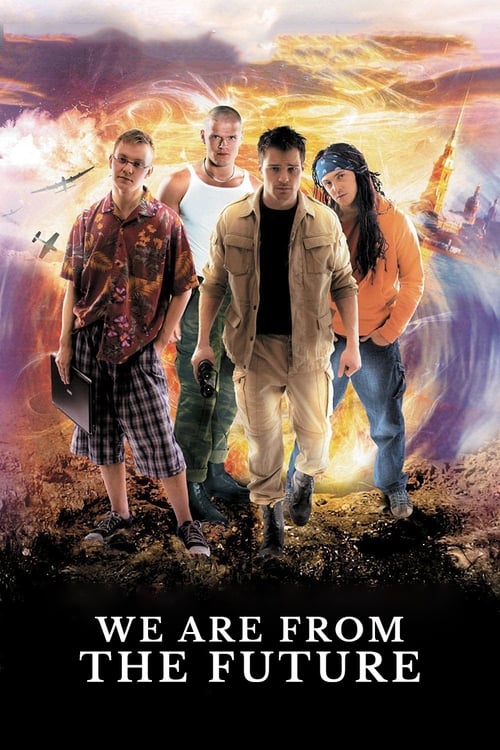
We Are from the Future
2008
No user ratings available yet
Representation score: 1.1 out of 10
Representation Score
Limited
2010
Director
Dmitri Voronkov
Runtime
101 minutes
Average Rating
No ratings yetNew Showbiz Analysis
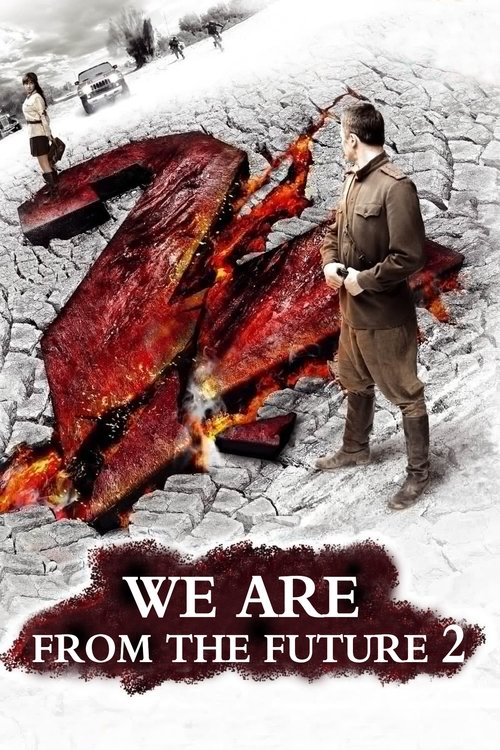
We Are from the Future 2 functions as a traditional historical epic. The narrative structure is designed to reinforce national identity and historical continuity rather than challenging social hierarchies. It prioritizes state-centric heroism over progressive social exploration. The film's focus on the conflict between the Red Army, Nazi Germany, and Ukrainian nationalists validates specific historical positions. This approach favors a conservative storytelling style that centers on national duty and institutional frameworks. Ultimately, the work lacks depth in exploring diverse identities, focusing instead on the physical and ideological struggles of a specific geopolitical era.
Category Breakdown
The film does not include any LGBTQ+ characters or narratives. It adheres to a traditional wartime framework emphasizing heterosexual relationships and roles.
The story centers around male characters and their roles in combat. It reinforces traditional hierarchies where masculinity is defined by survival and duty.
The cast includes actors representing various ethnicities within the Soviet military. However, the narrative focuses on reinforcing specific national identities rather than exploring diverse backgrounds.
The story emphasizes patriotic values and the importance of historical memory. It positions national institutions and state defense as the central moral authority.
Physical trauma serves mainly as a plot device to highlight wartime brutality. There is no evidence of neurodivergent representation or characters who play a significant role in driving the story beyond combat.
Present on Screen
Limited or Absent
Official Synopsis
Two young Russian historians are going to Ukraine to take part in the reconstruction of the Lvov-Sandomierz operation in July 1944. On sight they fall into conflict with Ukrainian nationalists, and some magical twist of fate, move into the middle of real warfare from more than 60 years. Miraculously avoiding death at the hands of Ukrainian nationalists, caught in the middle of fighting between the Red Army and the Nazis.
2008
2004
2010
2024
2015

2018
2012
No reviews yet. Be the first to share your thoughts on this movie!
Use the rating form above to leave a star rating and optional review.