
Days with You
2009
No user ratings available yet
Representation score: 7.2 out of 10
Representation Score
Good
2018
Not RatedDirector
Rudi Aryanto
Runtime
101 minutes
Average Rating
No ratings yetNew Showbiz Analysis
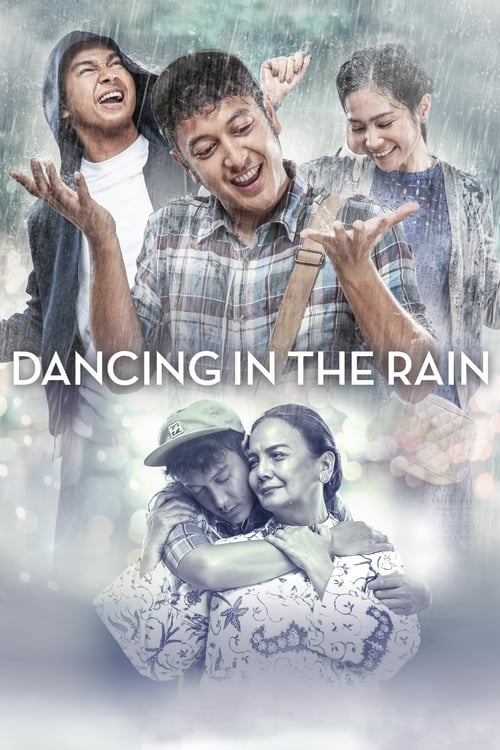
Dancing in the Rain stands out by placing a neurodivergent protagonist at the center of its dramatic arc. By focusing on Banyu’s experience with ASD, the film avoids including someone from a minority group without giving them real depth and uses neurodiversity as a primary lens for exploring human connection. The film also shifts the narrative away from Western-centric clichés by using Southeast Asian character names and settings. This approach emphasizes the complexities of growing up and the fragility of long-term friendships. However, the film lacks explicit representation of LGBTQ+ identities and does not clearly address gender power dynamics or non-traditional gender roles. While the character distribution is balanced, the narrative's stance on social hierarchies and non-straight-centered representation remains undefined.
Category Breakdown
The film does not include any explicit LGBTQ+ narratives or characters. It focuses on the interactions between the main trio without addressing LGBTQ+ issues.
The story features a balanced trio of characters, including Radin and Kinara. However, it is unclear whether the film challenges traditional gender roles or relies on conventional gender stereotypes.
Character names like Banyu, Radin, and Kinara suggest a Southeast Asian setting. This provides a welcome change from Western-centric storytelling, although the full ethnic diversity is not confirmed.
The narrative explores the volatility of human connections and tragic life events. This approach moves toward a nuanced, subjective morality rather than a singular, didactic moral framework.
Banyu, a protagonist with Autism Spectrum Disorder, serves as the story's emotional core. This placement gives neurodivergent characters significant influence rather than treating them as mere tokens.
Present on Screen
Limited or Absent
Official Synopsis
Banyu, a boy with autism spectrum disorder, starts a beautiful friendship with Radin and Kinara. When they all grown up, a tragic event occurred, putting their friendship on the edge of destruction.
2009

2019

2018

2005

2010

1999

2022

2009
No reviews yet. Be the first to share your thoughts on this movie!
Use the rating form above to leave a star rating and optional review.