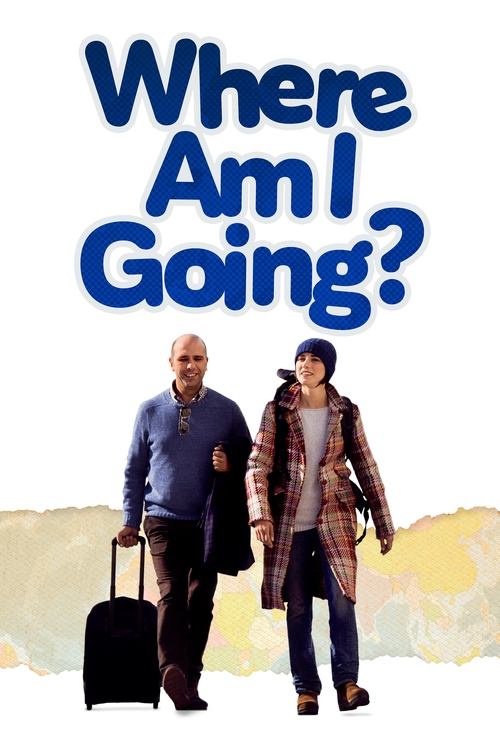
Where Am I Going?
2016
No user ratings available yet
Representation score: 4.0 out of 10

Representation Score
Fair
2025
Director
Gennaro Nunziante
Runtime
90 minutes
Average Rating
No ratings yetNew Showbiz Analysis
Buen Camino centers around traditional Italian comedy clichés, focusing on a white male protagonist's journey. Although the cast includes non-white characters, their roles are minor, serving to highlight the protagonist's path rather than standing independently. This limits the impact of racial diversity, making it present but not central to the theme. Gender dynamics also limit the film's progressive score. The narrative reinforces a patriarchal family structure, defining female characters through their relationships to the male lead. This upholds traditional gender hierarchies and marital expectations, offering little subversion of these roles. LGBTQ+ and cultural representations are minimal, adhering to straight-centered and conservative moral ideals. Without deeper engagement with diverse identities or systemic critiques, the film remains a mainstream commercial product prioritizing conventional social values over inclusive storytelling.
Category Breakdown
The film focuses on a heterosexual relationship between the main character and his ex-wife, with no queer characters challenging traditional marriage expectations.
Checco's journey emphasizes traditional male leadership, while female characters like Linda and Cristal are defined by their relationships to him, lacking independent professional roles or subversive actions.
The film features non-white characters such as a Mexican fiancée and a Palestinian partner, but they serve mainly as cultural contrasts to the white protagonist, with limited ability to act and risk of being sidelined.
The movie upholds conservative Italian values and traditional family duties, using the Camino setting as a backdrop without critiquing cultural or systemic issues.
The father's illness is used as a plot device for inheritance without exploring the nuances of disability or addressing neurodivergence or mental health issues.
Present on Screen
Limited or Absent
Official Synopsis
Checco's life is a comfortable and luxurious one, and it couldn't be otherwise, considering he's the only son of Eugenio Zalone, a wealthy sofa manufacturer. Stranded by the pool in his luxurious villas, with an unspecified number of Filipinos serving him, a very young Mexican model as a girlfriend, and vacationing on his yacht with friends who share his passion for not wanting to work; it seems like a truly enviable life, considering he lacks nothing, absolutely nothing. Actually, no. Something is missing. It's his underage daughter, Cristal, named after the famous French sparkling wine, who has suddenly disappeared without a trace. Urgently summoned to Rome by his ex-wife, Linda, he finds himself facing the responsibilities of fatherhood for the first time, trying to find the girl—a very complicated task, considering he knows absolutely nothing about Cristal and her life.
2016

2011
2015

2022

2018
2013
1999
2018
No reviews yet. Be the first to share your thoughts on this movie!
Use the rating form above to leave a star rating and optional review.