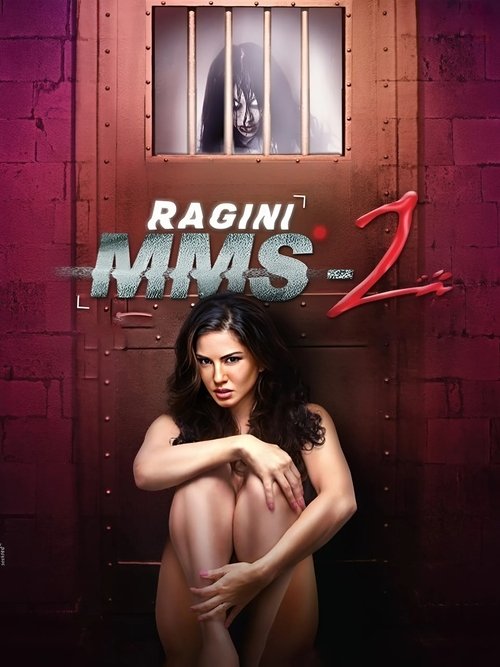
Ragini MMS 2
2014
No user ratings available yet
Diversity score: 3.6 out of 10
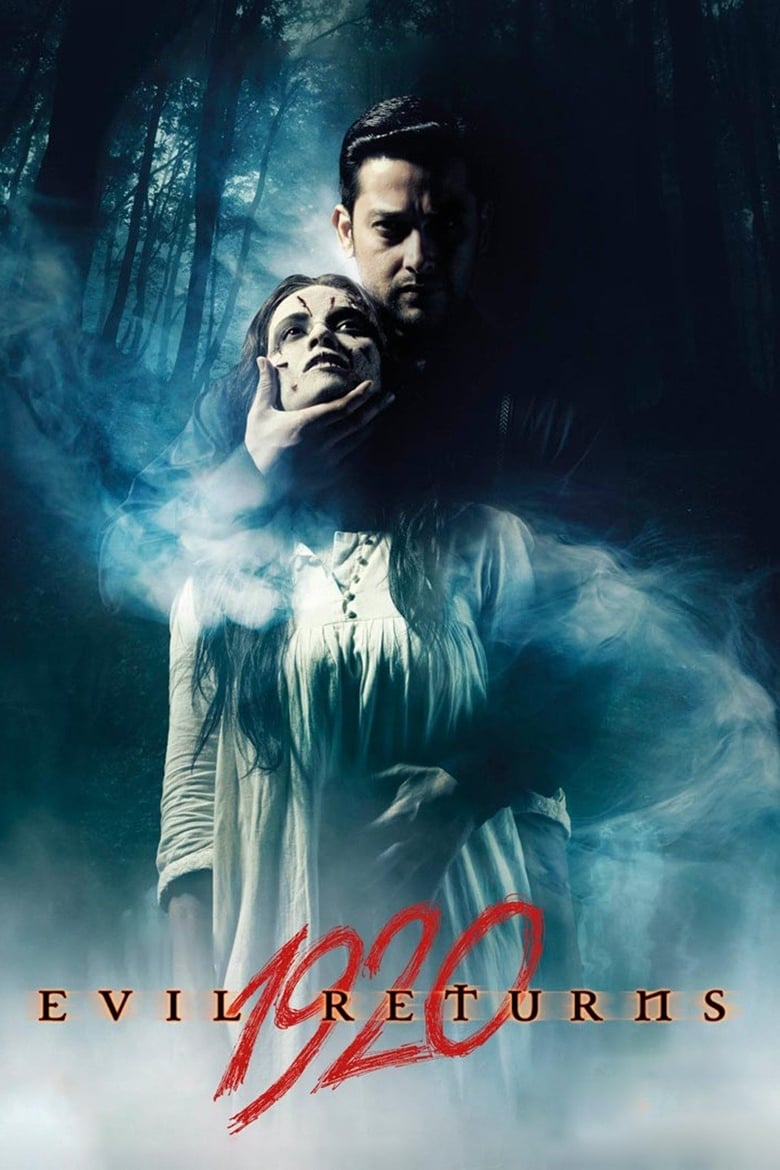
2012
Director
Bhushan Patel
Runtime
130 minutes
Average Rating
No ratings yetSynopsis
This story revolves around a famous poet who meets a woman who is in trouble. In order to treat her, he takes her to Shimla in a big hospital, but soon that woman gets possessed by devil and goes out of control. Now the question remains that what is the relation that poet shares with her which compelled him to go to any extent to save her, why she was possessed by devil and who is the devil.
Overall Score
Limited
Category Breakdown
LGBTQ+ Representation
The film adheres to heteronormative romantic structures. There is no evidence of non-cisnormative gender identities or same-sex intimacy within the narrative.
Gender Representation
The female lead is central to the mystery but often occupies a position of vulnerability. The male protagonist acts as the primary protector, reinforcing conventional masculine roles.
Racial & Ethnic Diversity
The production features a predominantly South Asian cast, maintaining a culturally cohesive identity. The period setting focuses on local folklore rather than post-colonial critique.
Religious & Cultural Diversity
The narrative relies on traditional spiritual and supernatural motifs. It focuses on metaphysical struggles rather than challenging Western or capitalist structures.
Disability Representation
Supernatural possession is used as a horror device rather than a representation of lived experience. This framing avoids meaningful engagement with neurodivergence or chronic illness.
Strengths
Areas for Improvement
AI Analysis
1920: Evil Returns functions as a genre-standard supernatural thriller that prioritizes romantic devotion and occultism over social commentary. The narrative architecture relies heavily on established tropes, particularly the protector-and-victim dynamic between the male poet and the possessed female lead. While the film provides a culturally cohesive South Asian experience through its cast and folklore, it does not attempt to disrupt traditional social hierarchies. The 1920s setting serves the atmosphere of the horror genre rather than providing a platform for intersectional exploration. Ultimately, the film is a visceral exploration of a metaphysical struggle. It lacks significant representation of LGBTQ+ identities, disability, or systemic critiques, remaining firmly within the bounds of conventional cinematic expectations.
No reviews yet. Be the first to share your thoughts on this movie!
Use the rating form above to leave a star rating and optional review.