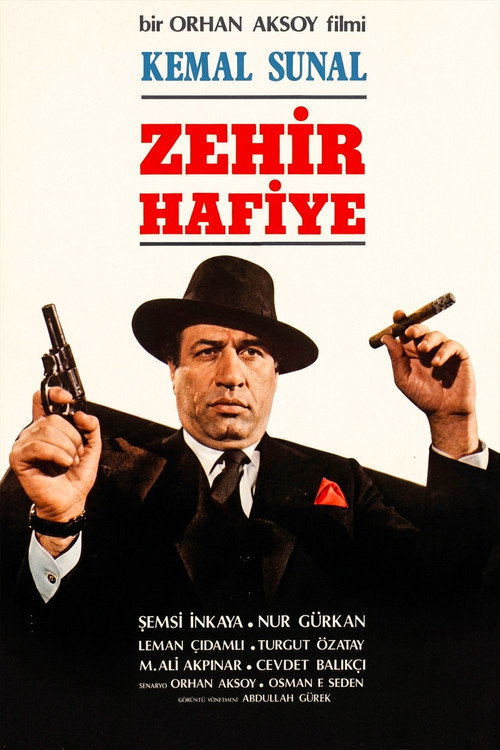
Zehir Hafiye
1989
No user ratings available yet
Representation score: 2.6 out of 10
Representation Score
Fair
1976
Director
Atıf Yılmaz
Average Rating
No ratings yetNew Showbiz Analysis
Atıf Yılmaz uses a social comedy framework to explore the tension between traditional structures and shifting social forces. The film leverages character's ability to drive the story to disrupt established hierarchies, especially among the central male figures. However, it remains limited by the era's cinematic conventions, focusing heavily on traditional family dynamics and lacking diverse representation.
Category Breakdown
The film does not include any LGBTQ+ characters or non-cisgender identities. It centers on traditional romantic relationships and family structures typical of 1970s Turkish cinema.
Female characters like Aisha play crucial roles in the plot's blackmail and momentum. Although traditional roles exist, women are integral to the narrative conflict rather than being mere background elements.
The casting primarily reflects the local Turkish population of the time. While it avoids racial stereotypes, the film lacks diverse ethnic representation.
The story explores subjective morality through a disgraced gang leader. It deconstructs rigid social hierarchies and authority by focusing on situational ethics and shifting power dynamics.
There are no identifiable depictions of physical or neurodivergent disabilities within the narrative.
Present on Screen
Limited or Absent
Official Synopsis
A dorky uncle and a nag of an aunt mess up a family, their surroundings and ultimately half of Venice. Ein an Schwachsinn grenzender Klamauk, von allen guten Geistern verlassen. Baba is a disgraced gang leader! He threatens everyone and collects "protection money". Recently another gangster called Riza appeared. He uses Baba's name and collects the money in his name. Baba tries everything to stop him but fails. Riza falls in love with Aisha, who turns out to be Baba's daughter. He blackmails Baba to marry his daughter. Baba's man Bekir hatches a plot on his behalf and kidnaps Ayşe. Baba and Reza save him, Baba forgives Bekir and gives his place to Reza. Now he will spend time with his grandchildren...
1989
1972

2016
1976
1979
1975

1971

1973
No reviews yet. Be the first to share your thoughts on this movie!
Use the rating form above to leave a star rating and optional review.