
Detour
2003
No user ratings available yet
Representation score: 0.7 out of 10
Representation Score
Limited
2026
Director
Scott B. Hansen
Runtime
113 minutes
Average Rating
No ratings yetNew Showbiz Analysis
The film opens with the visceral promise of an all-girl metal band stranded in a town ruled by a warlock, immediately establishing a hierarchy where female competence is the only viable survival strategy. The sold meaning is clear: the traditional rural order, embodied by the occult male authority, is hollow and predatory, while the band’s modern, secular aggression is the moral correct. Dylan, the male lead, is not a savior but a liability, a "boring" roadie who must be managed by the women he serves. The camera loves the band’s profanity and physicality, treating their aggression as natural and justified, whereas the male supernatural figures are defined by their predatory nature. The ending, implied by the "fight for survival" premise, rewards the band’s collective strength over individual male heroism. The film’s argument is simple: the old order is a trap, and the only way out is to devour it. There is no redemption for the warlock, no compromise with the town’s traditions, and no penalty for the band’s brutality. The last image is not a return to normalcy but a continuation of the fight, affirming that the band’s identity as outsiders is their greatest strength. The film is a straightforward inversion of traditional horror tropes, where the female ensemble is the active subject and the male figures are either obstacles or accessories.
Category Breakdown
No queer characters or same-sex intimacy appear. The narrative tracks heterosexual dynamics and supernatural survival exclusively.
The all-girl band acts as the competent moral center, fighting monsters while Dylan remains a passive roadie. Female characters use aggressive language and physical force without penalty.
Cast names suggest diverse representation, but the synopsis offers no specific on-screen depth or cultural context. Non-white characters lack distinct power dynamics or narrative weight.
Rural tradition and occult hierarchy serve as the primary threat, with a warlock ruling the town. The band’s survival relies on modern, secular competence rather than faith.
No characters are depicted with physical, sensory, or cognitive disabilities. Horror elements rely on supernatural creatures rather than human impairment or neurodiversity.
Present on Screen
Limited or Absent
Official Synopsis
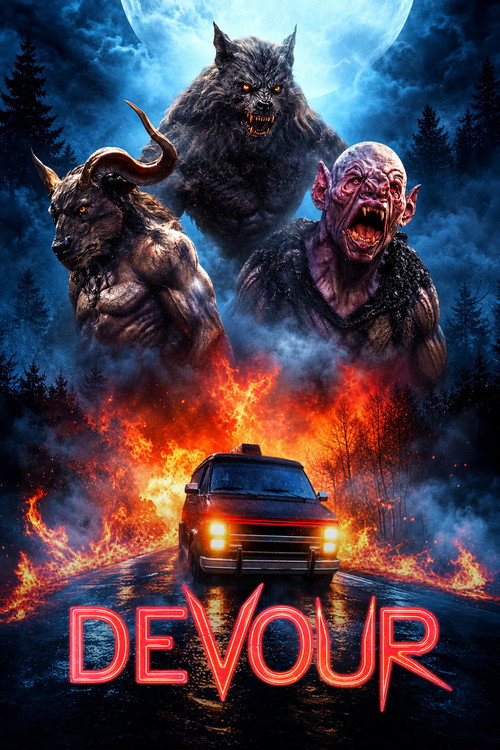
Stranded after a disastrous gig, an all-girl heavy metal band finds a woman in danger in a town ruled by a warlock, and crawling with cannibals, vampires, and a deadly werewolf, forcing them to fight for survival.
2003
2005
2025
2009

2024
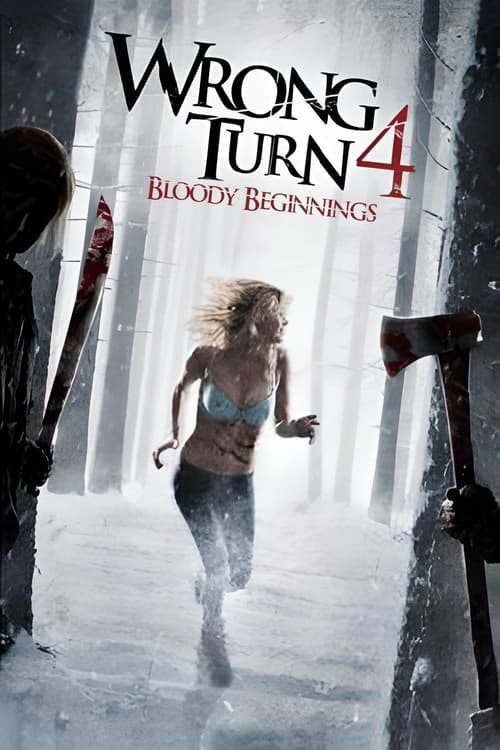
2011

2011

2008
No reviews yet. Be the first to share your thoughts on this movie!
Use the rating form above to leave a star rating and optional review.