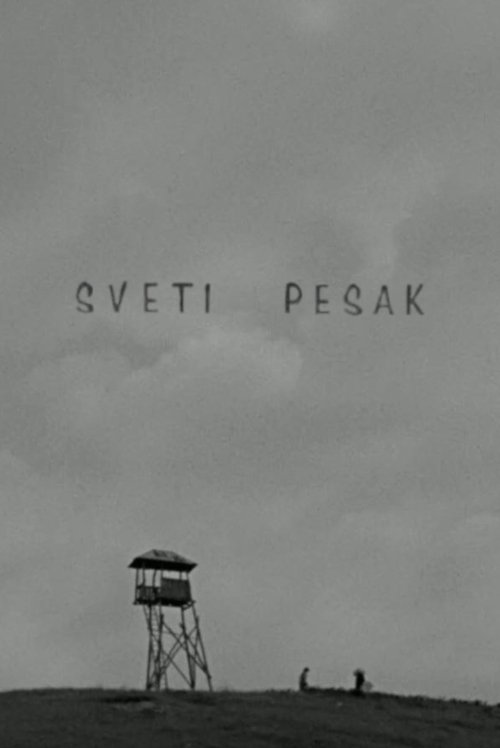
Holy Sand
1968
No user ratings available yet
Representation score: 4.5 out of 10
Representation Score
Fair
1968
Director
Eldar Shengelaia
Runtime
89 minutes
Average Rating
No ratings yetNew Showbiz Analysis
Eldar Shengelaia’s film offers a contemplative departure from standard war narratives by focusing on a sculptor’s psychological evolution rather than combat. This approach prioritizes internal growth over traditional male clichés of conquest. The work provides a distinct regional perspective, operating outside Western-centric storytelling patterns, which enriches the exploration of how art and labor intersect with the universal experience of mortality. However, the film's reliance on traditional family structures and a male-centric viewpoint limits its breadth of representation. The lack of visible diversity in identity categories keeps the overall score moderate.
Category Breakdown
The film focuses on traditional family structures and does not include any non-straight or non-cisgender identities.
The story centers on a male protagonist but challenges typical war hero stereotypes by highlighting emotional intelligence and artistic labor.
As a Georgian production, the film provides an authentic ethnic perspective on post-war reconstruction outside of Western storytelling traditions.
The narrative explores themes of memory and mortality through the deconstruction of commemorative rituals, avoiding triumphalist morality in favor of philosophical inquiry.
There is no information regarding physical or neurodivergent representation in the film.
Present on Screen
Limited or Absent
Official Synopsis
The war is over. Once a young sculptor, and now a soldier, he returned home. Married, there were children. In search of work, he was hired to make grave monuments. Time passed... At one time, visiting a cemetery with friends, he saw with different eyes all his work done over the years...
1968
2019

1988

1987
1998

1964

1969
2012
No reviews yet. Be the first to share your thoughts on this movie!
Use the rating form above to leave a star rating and optional review.