Kaptn Oskar
2013
No user ratings available yet
Representation score: 5.7 out of 10
Representation Score
Fair
2018
Director
Robert Bohrer, Emma Rosa Simon
Runtime
82 minutes
Average Rating
No ratings yetNew Showbiz Analysis
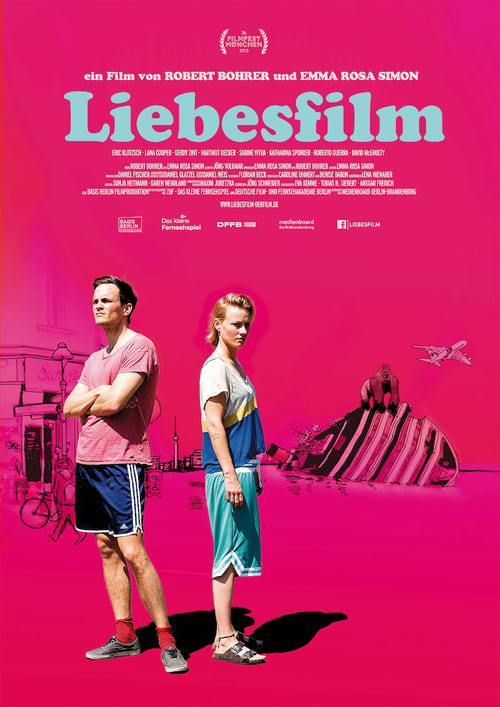
Love Movie offers a nuanced look at modern adulthood by challenging the cliché of the decisive male lead. Lenz’s vulnerability and flight from responsibility provide a refreshing departure from traditional masculine archetypes. However, the film appears socially homogeneous. The lack of documented racial diversity or explicit LGBTQ+ identities limits its multi-layered impact, keeping the scope centered on a specific European indie milieu. Ultimately, the film succeeds as a character study of existential instability, even if it remains narrow in its demographic breadth.
Category Breakdown
The film explores intimacy and desire within a modern urban setting. However, there is no explicit confirmation of non-straight relationships or gender identities.
Lenz's indecision and emotional vulnerability challenge traditional masculinity. The narrative power shifts toward Ira, who drives the central conflict with her decisions about parenthood.
The story focuses on a specific urban social milieu. There is no evidence of multicultural integration or diverse ethnic casting.
The film adopts an anti-traditionalist stance by deconstructing standard life milestones. It portrays the nuclear family as a source of existential crisis rather than an inherent good.
There is no information available regarding the portrayal of physical or neurodivergent disabilities in this work.
Present on Screen
Limited or Absent
Official Synopsis
Lenz is a daydreamer. Charming, visionary and – as it is good manners for a thirty-year-old in Berlin – radically incapable of decision making. After an intense party night, Lenz wakes up next to Ira, completely deranged. Lenz is in love. As well as Ira. The summer of love begins: fooling through the nights of Berlin, beers at the canal, talks about sex and childhood. Everything is beautiful. Up until the moment when Ira asks this one question that changes everything: „Do you want to have kids?“ Now is the time for Lenz to do what he knows best, when things get tricky. He runs off. Anchorless, he stumbles through the summer and has to take up with the heroes of his daydreams, who keep examining him about his feelings. Meanwhile, his friend Kenn covers Lenz with affectionate incomprehension. When autumn arrives, Ira eventually confronts Lenz and he has to face the big “whatsoever”.
2013

2018
2020

2020

2017
2018
2017

2012
No reviews yet. Be the first to share your thoughts on this movie!
Use the rating form above to leave a star rating and optional review.