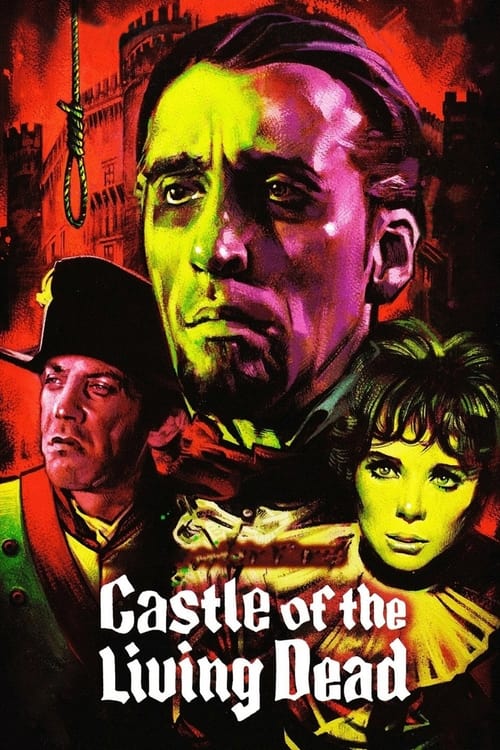
The Castle of the Living Dead
1964
No user ratings available yet
Diversity score: 2.2 out of 10
No Poster Available
1914
Director
Maurice Tourneur
Runtime
11 minutes
Average Rating
No ratings yetSynopsis
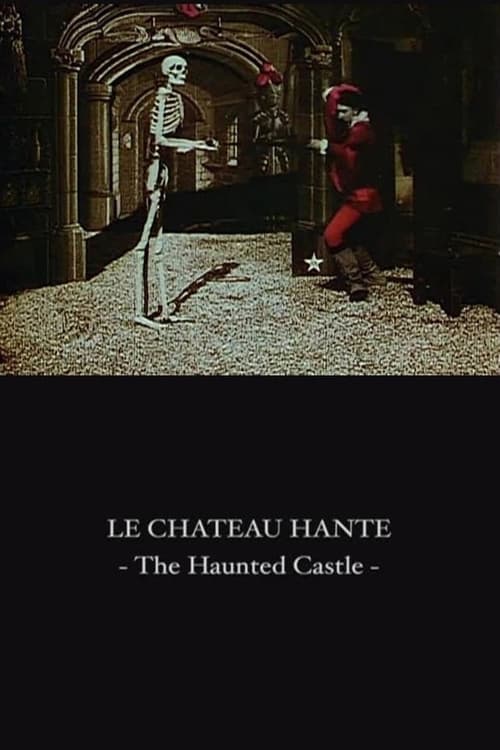
A man does not know what fear is. His good friend dares him to spend one night in a scary place. A house of wax will get the job done.
Overall Score
Limited
Category Breakdown
LGBTQ+ Representation
The film lacks any evidence of LGBTQ+ characters or narratives. It focuses on a traditional male-centric plot centered on a dare and psychological fear.
Gender Representation
Agency is concentrated in male characters, focusing on a protagonist's journey and his interaction with a male peer. There is no evidence of women in dominant roles.
Racial & Ethnic Diversity
The film reflects the homogeneous casting norms of early 20th-century European cinema. It lacks evidence of a diverse cast or race-bent casting.
Religious & Cultural Diversity
The story functions within classical horror traditions, focusing on individual psychological experience. It lacks an active deconstruction of systemic societal power dynamics.
Disability Representation
Psychological distress appears to be used as a plot device for tension rather than a nuanced exploration of neurodivergence. There is no evidence of disability represented with agency.
Strengths
Areas for Improvement
AI Analysis
Maurice Tourneur’s work is a product of its historical era, prioritizing atmospheric storytelling and psychological depth over social complexity. The narrative is built around a narrow, masculine experience that reinforces the conventional demographic norms of the early 1910s. While the film explores the 'uncanny' and the blurring of art and life, these themes serve the horror genre rather than providing a platform for diverse identities. The lack of intersectional representation is a reflection of the period's standard casting and narrative structures. Ultimately, the film adheres to traditional hierarchies, focusing on individual morality and fear rather than challenging social or cultural structures.
1964

2014
1988
2004
2022
1967
2015
1910

2016
1970
1897
2018
No reviews yet. Be the first to share your thoughts on this movie!
Use the rating form above to leave a star rating and optional review.