The Last Thanksgiving
2020
No user ratings available yet
Representation score: 4.5 out of 10
Representation Score
Minimal
2019
TV-MADirector
Marcus Dunstan
Runtime
80 minutes
Average Rating
No ratings yetNew Showbiz Analysis
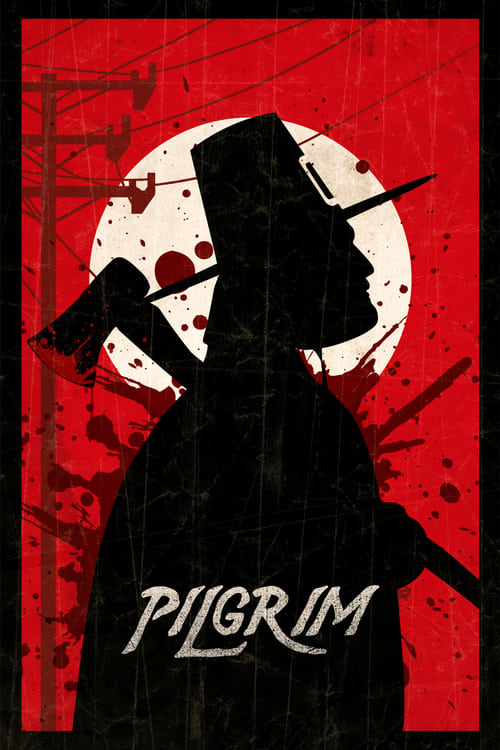
Pilgrim functions mainly as a traditional horror thriller focused on domestic disruption. The plot leverages a familiar Western holiday to create tension, emphasizing genre-standard scares over social or multi-layered issues. While the film introduces themes of privilege and social status, these elements are tied to the horror conflict rather than a deeper critique of identity. The narrative structure favors the 'outsider invading the home' cliché over nuanced character diversity. Overall, the film lacks verifiable evidence of diverse casting or identity-driven storylines, positioning itself within a conventional genre framework.
Category Breakdown
The film does not include any visible LGBTQ+ characters or stories about non-cisgender identities. There is no evidence of queer representation in the story.
Ms. Anna Barker is a central female character who drives the plot. However, the film does not challenge traditional gender roles or hierarchies.
The story revolves around Pilgrim reenactors, tying it to colonial history. The specific racial makeup of the cast remains unknown.
The film uses Thanksgiving as a setting for horror. It may critique Western traditions of gratitude but sticks to typical genre clichés.
There is no mention of characters with visible or invisible disabilities. The film does not address disability representation.
Present on Screen
Limited or Absent
Official Synopsis
In an attempt to remind her family of their privilege and help them bond, Ms. Anna Barker invites Pilgrim reenactors to stay with them over Thanksgiving. When the “actors” refuse to break character, the Barker family learns that there is such a thing as too much gratitude.
2020

2018
2009
2018

2017
2018
2023

2020
No reviews yet. Be the first to share your thoughts on this movie!
Use the rating form above to leave a star rating and optional review.