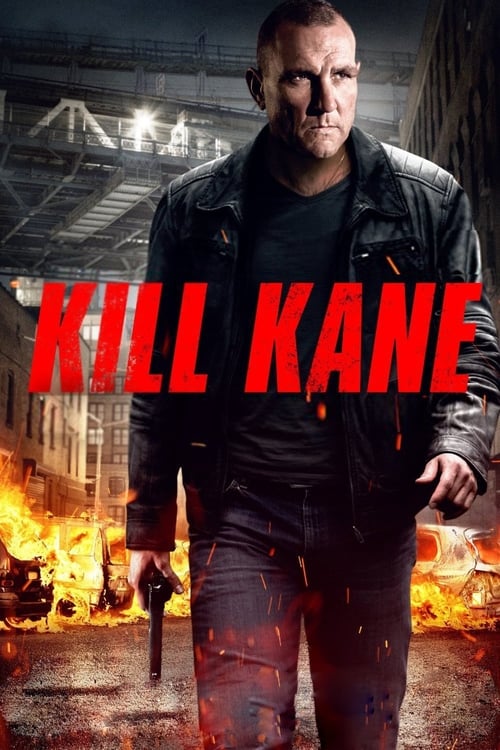
Kill Kane
2016
No user ratings available yet
Representation score: 2.5 out of 10
Representation Score
Good
2024
RDirector
Dev Patel
Runtime
122 minutes
Average Rating
No ratings yetNew Showbiz Analysis
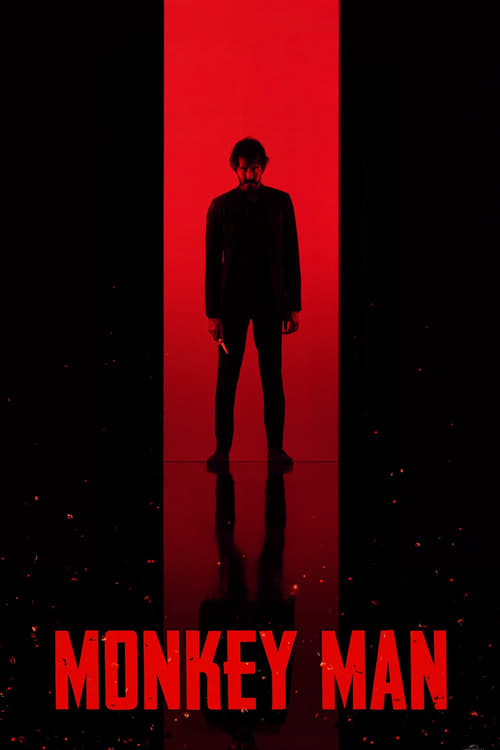
Monkey Man is a powerful critique of systemic stratification and class conflict. It excels by shifting the focus away from a Western-centric perspective and highlighting the ability to act of characters of color through an authentic Indian setting and cast. However, the film still adheres to traditional male clichés of physical struggle and retribution. It also lacks explicit LGBTQ+ representation or nuanced explorations of neurodivergence and chronic illness. Overall, the film's progressive impact comes from its strong deconstruction of capitalist exploitation and its portrayal of the disenfranchised challenging established socio-political structures.
Category Breakdown
The film does not include explicit LGBTQ+ identities or non-cisgender gender expressions. While identity serves as a mobilization tool, the movie misses opportunities to challenge the assumption that everyone is straight or cisgender.
The film centers around a male protagonist who follows traditional masculine archetypes. Women are involved in political and criminal activities but operate within existing power structures.
The film stands out by featuring an almost entirely Indian cast and setting. This shifts the perspective away from a Western viewpoint, giving characters of color significant roles in driving their own revolution.
Mythological elements like Hanuman are used as metaphors for reclaiming identity. The story critiques hyper-capitalism and the oppressive nature of institutional authority.
Physical injuries and scars act as catalysts for the protagonist's journey. The film portrays the physical toll as a result of socioeconomic struggles without delving into disability through the lens of character's ability to drive the story.
Present on Screen
Limited or Absent
Official Synopsis
Kid is an anonymous young man who ekes out a meager living in an underground fight club where, night after night, wearing a gorilla mask, he is beaten bloody by more popular fighters for cash. After years of suppressed rage, Kid discovers a way to infiltrate the enclave of the city’s sinister elite. As his childhood trauma boils over, his mysteriously scarred hands unleash an explosive campaign of retribution to settle the score with the men who took everything from him.
2016
2017
2011
2023
2008

2021

2024
2024
No reviews yet. Be the first to share your thoughts on this movie!
Use the rating form above to leave a star rating and optional review.