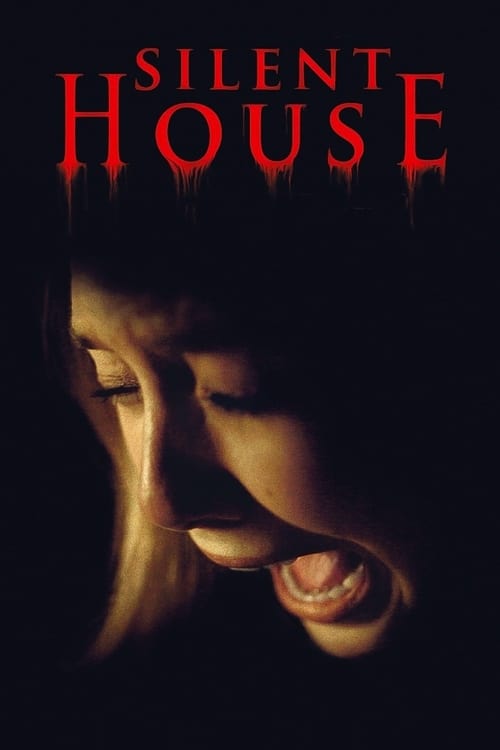
Silent House
2011
No user ratings available yet
Representation score: 1.8 out of 10
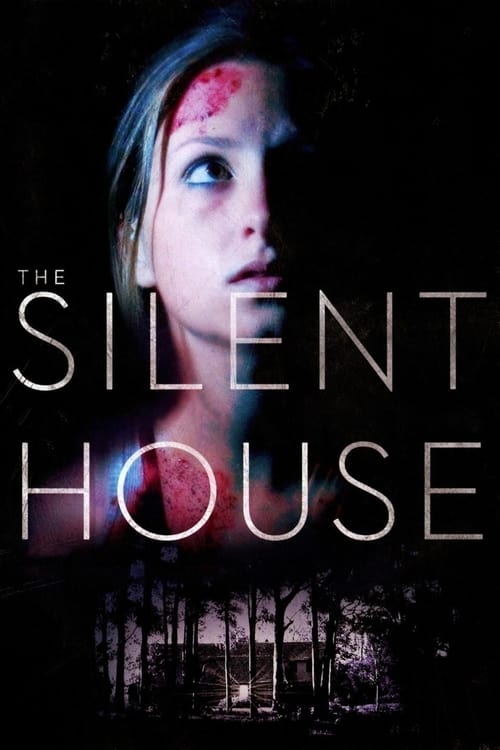
Representation Score
Limited
2010
Not RatedDirector
Gustavo Hernández
Runtime
79 minutes
Average Rating
No ratings yetNew Showbiz Analysis
The Silent House is a localized horror film that emphasizes atmospheric tension and regional folklore over social commentary. While it provides a non-Western perspective due to its Uruguayan setting, it does not actively seek to challenge traditional social structures. The film adheres to conventional archetypes, particularly regarding gender and family dynamics. The protagonist's experience is defined by reactive survival rather than proactive action, reinforcing classic genre clichés. Ultimately, the work functions within established cultural and identity hierarchies. It offers a specific regional flavor but lacks the intentionality to challenge systemic norms or provide diverse representation across identity spectrums.
Category Breakdown
The film focuses on a traditional father-daughter relationship and does not include any representation of non-binary gender identities or narratives that challenge the assumption that everyone is straight or cisgender.
Laura is the main character, but her role often reacts to supernatural threats. The film relies on traditional gender stereotypes and family hierarchies.
This regional Latin American film offers a non-Hollywood perspective. However, the cast remains largely uniform within its specific Uruguayan context.
The story uses religious symbols and spiritual fear as key elements. It operates within established cultural understandings without challenging them.
There is no representation of physical, neurodivergent, or sensory disabilities. The narrative focuses solely on psychological and supernatural elements.
Present on Screen
Limited or Absent
Official Synopsis
Laura and her father Wilson arrive at a cottage off the beaten path in order to repair it since its owner will soon put the house on sale. They will spend the night there in order to start the repairs the following morning. Everything seems to go on smoothly until Laura hears a sound that comes from outside and gets louder and louder in the upper floor of the house. Wilson goes up to see what is going on while she remains downstairs on her own waiting for her father to come down. The plot is based on a true story that occurred in the 1940s in a small village in Uruguay. La casa muda focuses on the last seventy eight minutes, second by second, as Laura tries to leave the house unharmed and discovers the dark secret it hides.
2011
2002
2003
2012

2012
2020

2012

2005
No reviews yet. Be the first to share your thoughts on this movie!
Use the rating form above to leave a star rating and optional review.