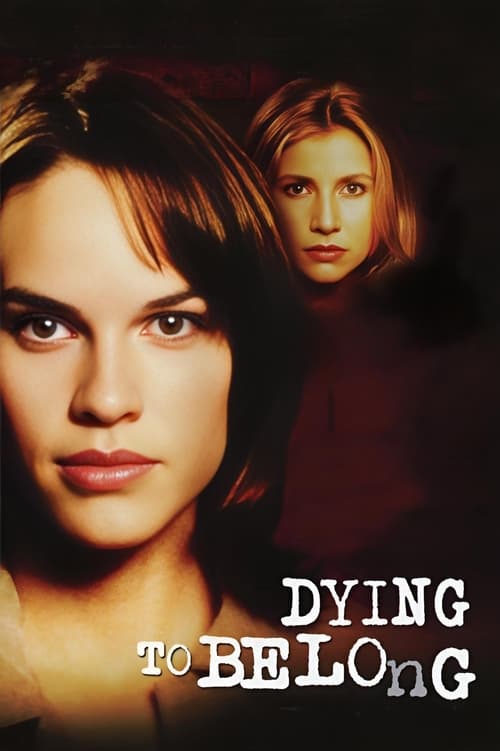
Dying to Belong
1997
No user ratings available yet
Representation score: 5.0 out of 10
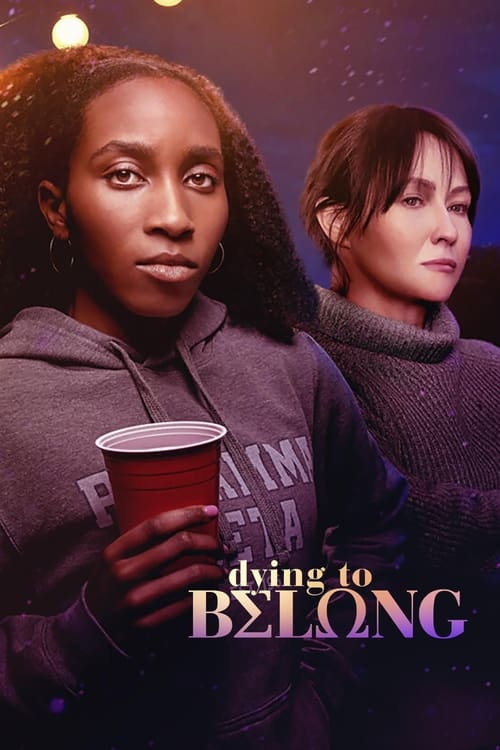
Representation Score
Fair
2021
TV-14Director
Gail Harvey
Runtime
84 minutes
Average Rating
No ratings yetNew Showbiz Analysis
Dying to Belong succeeds in reframing gender dynamics by positioning its female protagonist as an active investigator rather than a passive participant. This intellectual approach to the sorority cliché provides a refreshing layer of ability to act. However, the film struggles with broader diversity. The lack of confirmed racial, LGBTQ+, and disability representation limits its impact, making the social critique primarily focused on gendered institutional structures. Ultimately, the film is a targeted critique of collegiate hierarchies. While it dismantles certain feminine stereotypes, it remains narrow in its demographic scope.
Category Breakdown
The film does not explicitly confirm any LGBTQ+ characters or non-straight identities. The narrative focuses on cisgender female social structures within a sorority setting.
The story centers around Olivia, an intellectual investigator, highlighting women's ability to drive the story. It challenges sorority stereotypes by portraying the sisterhood as a site of systemic danger rather than empowerment.
There is no verified evidence of a multi-ethnic cast. The setting suggests a specific social stratum that may lack diverse representation.
The film critiques Western social institutions like Greek life. It portrays exclusive social belonging and traditional organizations as potentially corrupt or oppressive.
The narrative provides no evidence regarding the inclusion of characters with visible or invisible disabilities.
Present on Screen
Limited or Absent
Official Synopsis
When journalism major Olivia is encouraged to join a sorority by her shy friend Riley, she senses an opportunity to go undercover and write a story about hazing practices. But she soon discovers there are deadly secrets involved in being part of the sisterhood.
1997

2014
2020

2024
2015
2015
2021
2016
No reviews yet. Be the first to share your thoughts on this movie!
Use the rating form above to leave a star rating and optional review.