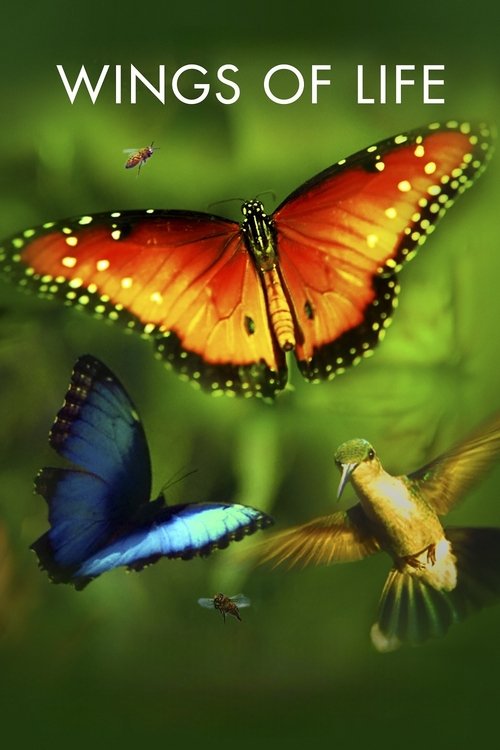
Wings of Life
2011
No user ratings available yet
Representation score: 0.6 out of 10
Representation Score
Fair
2005
Director
Mark Deeble, Victoria Stone
Runtime
57 minutes
Average Rating
No ratings yetNew Showbiz Analysis
The film stands out by shifting the focus from human-centric conflicts to the study of systemic interdependence in nature. Through the lens of the fig wasp and fig tree relationship, it dismantles traditional power structures and individualism. The film’s strength lies in its ecological viewpoint, which challenges Western capitalist notions of competition. It promotes a community-based survival system where cooperation is key. Since the documentary does not include human subjects, it cannot address issues related to social identities such as race, gender, or disability.
Category Breakdown
The film focuses on the relationship between a fig wasp and a tree, presenting a non-traditional connection that doesn't rely on typical heterosexual relationships.
Gender roles typically found in human societies are not present. The film highlights the equal partnership between the fig wasp and the tree, avoiding traditional gender stereotypes.
Set in Africa, the film showcases a rich, non-white biological environment filled with various types of wildlife.
By emphasizing a network of dependencies among living organisms, the film questions Western ideas of individual competition and resource exploitation.
No assessment is possible as the film does not feature human subjects.
Present on Screen
Limited or Absent
Official Synopsis
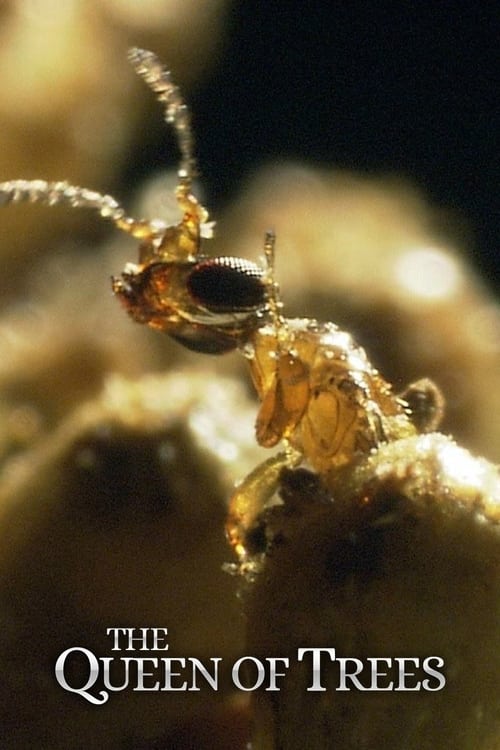
In Africa, the giant fig tree and the tiny fig wasp differ in size a billion times over, but neither could exist without the other. Their extraordinary relationship is a marvel of co-evolution, a marriage which has lasted for millennia. It forms the basis of a complex web of dependency that supports entire ecosystems, providing food for thousands of creatures, from elephants, giraffes, and fruit bats, to forest hornbills, monkeys, insects, and fish.
2011
1996

2022
2019
2023
2019
2019
2019
No reviews yet. Be the first to share your thoughts on this movie!
Use the rating form above to leave a star rating and optional review.