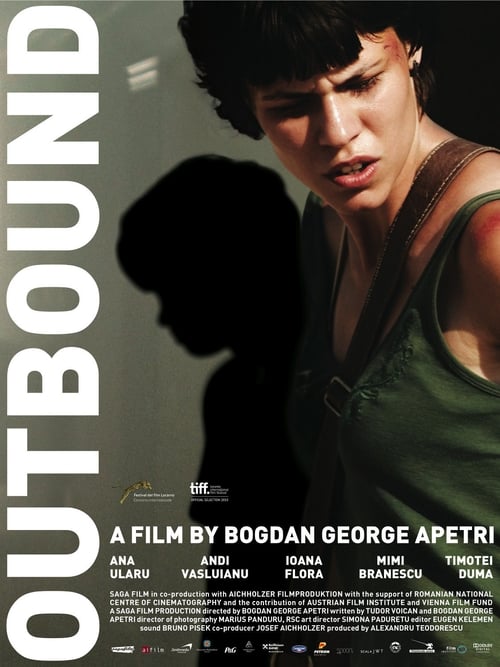
Outbound
2010
No user ratings available yet
Diversity score: 5.5 out of 10

2012
Not RatedDirector
Kang Yi-kwan
Runtime
107 minutes
Average Rating
No ratings yetSynopsis
16-year-old juvenile offender Ji-gu reunites with his young mom who he thought was dead, and the two try to make up for their time lost.
Overall Score
Fair
Category Breakdown
LGBTQ+ Representation
The film lacks explicit evidence of LGBTQ+ characters or non-heteronormative narratives. The story architecture centers on a traditional biological mother-son dynamic.
Gender Representation
The narrative subverts the idealized nurturing mother trope. Instead, it presents a woman navigating social marginalization and the complexities of parental inadequacy.
Racial & Ethnic Diversity
As a South Korean production, the film features a homogeneous cast. It provides a deep dive into a specific ethnic experience through localized social realism.
Religious & Cultural Diversity
The film critiques institutional efficacy and systemic neglect. It depicts traditional social structures, like the legal system and family unit, as being fraught with dysfunction.
Disability Representation
There is no evidence of characters with physical or neurodivergent disabilities. The focus remains on socio-economic and legal status.
Strengths
Areas for Improvement
AI Analysis
Juvenile Offender is a work of South Korean social realism that prioritizes gritty, character-driven narratives over commercial spectacle. It succeeds by deconstructing the sanctity of traditional institutions, specifically the family unit and the legal system. The film's strength lies in its empathetic framing of marginalized individuals. Rather than presenting a restorative family arc, it explores the fractured bond between a mother and son under the pressure of poverty. However, the film lacks diversity in terms of visible LGBTQ+ identities, multi-ethnic casting, or disability representation. It remains a culturally specific, homogeneous study of systemic failure.
2010

2017
2017

2018

2018
2009

2013

2020

2018

2012
2009

2016
No reviews yet. Be the first to share your thoughts on this movie!
Use the rating form above to leave a star rating and optional review.