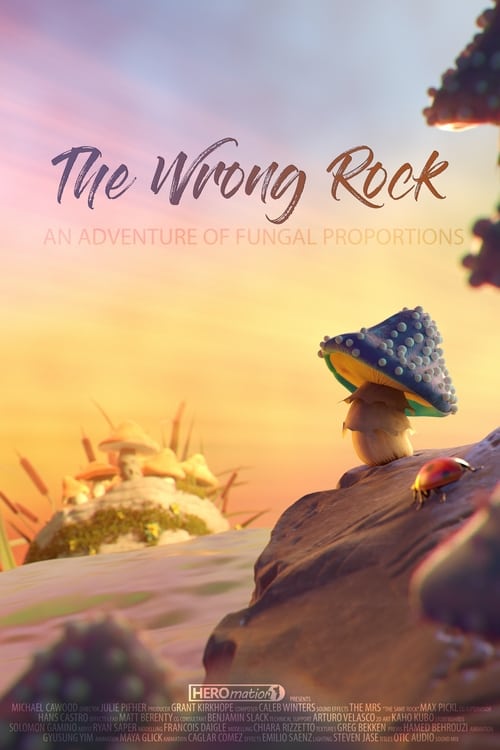
The Wrong Rock
2018
No user ratings available yet
Representation score: 3.0 out of 10

Representation Score
Fair
2017
Director
Steve Cutts
Runtime
5 minutes
Average Rating
No ratings yetNew Showbiz Analysis
Steve Cutts' *Happiness* serves as a sharp critique of the modern 'rat race.' Using anthropomorphic symbolism, the film explores the psychological impact of consumerist cycles and corporate machinery. The work focuses on the systemic critique of Western socio-economic institutions rather than individual demographic inclusion. This emphasis on power dynamics and manufactured fulfillment provides rich cultural commentary despite a lack of specific identity-based representation. Ultimately, the film uses universal archetypes to explore how individual ability to act is overshadowed by industrial demands, highlighting systemic oppression.
Category Breakdown
The film features stylized, non-human characters instead of those defined by their identities. There is no direct portrayal of LGBTQ+ identities or stories that challenge the assumption that everyone is straight.
Characters are shown as generic archetypes without specific genders, avoiding typical romantic or domestic storylines. However, the film presents a gender-neutral workplace without challenging traditional gender roles.
Stylized, non-human entities eliminate racial identifiers from the visuals. While this avoids stereotypes, it also misses chances for diverse representation, focusing instead on a uniform group.
The animation deeply critiques Western capitalism and consumerism. It portrays the pursuit of material wealth as a superficial, systemic illusion that erodes the soul.
No characters have specific physical or neurodivergent disabilities. Characters show signs of psychological distress and burnout, but these are depicted as universal environmental issues rather than specific disability experiences.
Present on Screen
Limited or Absent
Official Synopsis
The story of a rodent's unrelenting quest for happiness and fulfillment.
2018
2012
2018
2019
2018

2001
2018
2018
No reviews yet. Be the first to share your thoughts on this movie!
Use the rating form above to leave a star rating and optional review.