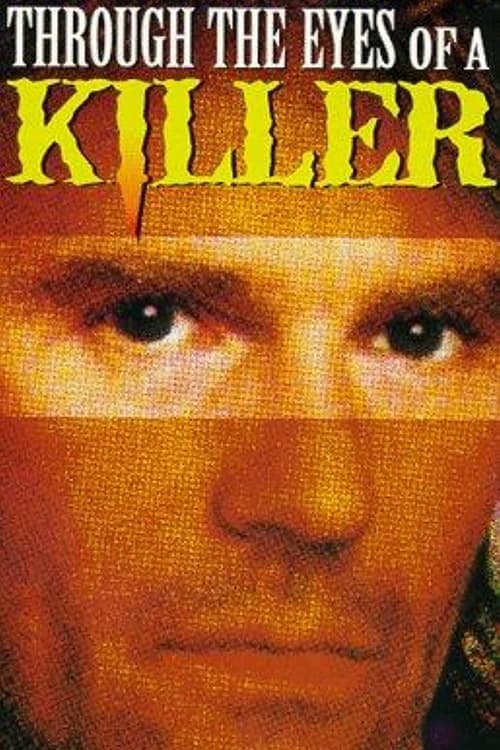
Through the Eyes of a Killer
1992
No user ratings available yet
Representation score: 3.1 out of 10

Representation Score
Minimal
1995
Director
Steven Schachter
Runtime
85 minutes
Average Rating
No ratings yetNew Showbiz Analysis
Lady Killer is a conventional mid-90s domestic thriller that adheres to established social hierarchies. The film lacks intentional representation of multiple identities, focusing instead on a singular perspective of marital infidelity and male aggression. The narrative structure reinforces traditional anxieties regarding family stability and personal conduct. While female characters exhibit survivalist roles, the film does not attempt to deconstruct prevailing cultural or gendered norms. Ultimately, the film relies on established clichés, such as the predatory male, rather than offering a diverse exploration of identity.
Category Breakdown
The story focuses entirely on a heterosexual relationship and its consequences. No characters with non-cisgender identities or same-sex relationships are present.
Janice drives the main conflict through her choices, highlighting her vulnerability to male violence. Sharon provides a moment of empowerment by intervening in the climax.
The film features a homogeneous cast typical of 1990s network television. There is no indication of racial blending or diverse casting to challenge historical norms.
The narrative operates within a traditional Western framework centered on the nuclear family. It functions as a cautionary tale regarding personal morality and domestic stability.
There is no evidence of characters with visible or invisible disabilities. Disability is not utilized as a narrative device in this thriller.
Present on Screen
Limited or Absent
Official Synopsis
Married woman has brief affair with younger man who turns violent when she breaks it off.
1992

1971
1996

2022

2019
2015

2019
1992
No reviews yet. Be the first to share your thoughts on this movie!
Use the rating form above to leave a star rating and optional review.