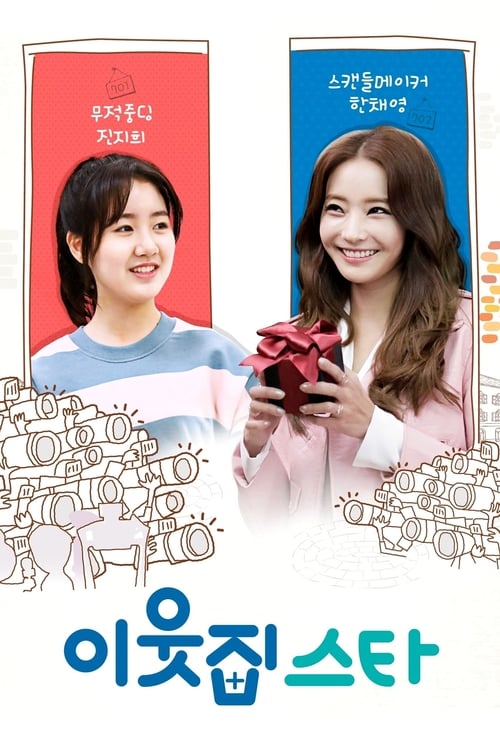
The Star Next Door
2017
No user ratings available yet
Representation score: 3.3 out of 10

Representation Score
Limited
2019
Director
Jo Seok-hyun
Runtime
126 minutes
Average Rating
No ratings yetNew Showbiz Analysis
Rosebud is a culturally specific comedy-drama that prioritizes emotional resonance and familial reconciliation over multi-layered complexity. The film succeeds in centering female aspiration through its protagonist, Jang-mi, as she navigates the sacrifices required by motherhood and lost dreams. However, the narrative remains within conventional boundaries. It adheres to traditional social structures and lacks representation for LGBTQ+ identities or diverse ethnic backgrounds. The focus is primarily on a singular, homogeneous cultural experience. Ultimately, while the film provides meaningful character depth regarding personal resilience, it does not seek to disrupt systemic social hierarchies or provide a diverse spectrum of identities.
Category Breakdown
The film does not include explicit LGBTQ+ characters or narratives that question the assumption that everyone is straight. The story centers on maternal bonds and individual success within a traditional interpersonal framework.
Jang-mi’s journey highlights her ability to drive the story and the tension between personal ambition and domestic responsibilities. However, the narrative leans into traditional maternal roles rather than challenging gender hierarchies.
As a South Korean production, the film features a culturally homogeneous cast. It offers deep immersion into a specific national context without exploring multi-ethnic or multi-layered dynamics.
The story explores themes of poverty and familial duty across several decades. It emphasizes sentimentalism regarding parent-child bonds rather than challenging specific social or secularist ideologies.
There is no mention of characters navigating physical, neurodivergent, or mental health disabilities within the narrative.
Present on Screen
Limited or Absent
Official Synopsis
Hyun-ah is listed on top ten of TV audition program with talented voice and attractive appearance. The reason why she is in this show is to be shown to her mom, Jang-mi, who has been separated for over 10years. Jang-mi used to be a potential singer long time ago but had to give up her dream due to her responsibility she had to take at that time. They had lived together happily even in poverty until something happened bringing their parting.
2017
2021
2025
2011

2023

2023
2013

2017
No reviews yet. Be the first to share your thoughts on this movie!
Use the rating form above to leave a star rating and optional review.