Tunnel
2021
No user ratings available yet
Representation score: 3.7 out of 10
Representation Score
Fair
2017
NRDirector
Scott Barley
Runtime
90 minutes
Average Rating
No ratings yetNew Showbiz Analysis
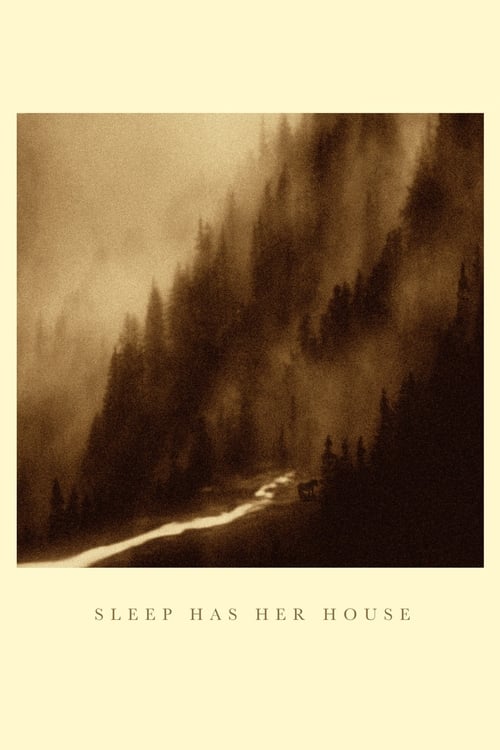
Scott Barley’s experimental work centers around abstraction rather than traditional storytelling. By eliminating actors and dialogue, the film sidesteps conventional social hierarchies and demographic markers. Although the film does not actively represent specific identities, it challenges mainstream narrative structures. It shifts the focus from conventional social clichés to sensory and psychological experiences. Ultimately, the film’s diversity lies in its rejection of institutional morality and human-centric spectacle, favoring an existential exploration of the natural world.
Category Breakdown
The film does not include any dialogue or actors representing specific sexual orientations. Although it avoids typical heterosexual stereotypes, there is no explicit LGBTQ+ presence.
By focusing on a female-coded psychological experience, the film shifts away from male-dominated narratives. However, the subversion of traditional gender roles remains largely atmospheric.
Since the film does not use actors, there is no visible racial or ethnic representation. Instead, it focuses on natural landscapes and settings.
The film emphasizes mystical and cosmological themes over organized religion, promoting a secular spiritual outlook. It moves away from Western humanism towards a more primal perspective.
The film explores the fragmentation of the mind as an abstract concept. While it avoids common clichés, it does not specifically highlight neurodivergence as a source of empowerment.
Present on Screen
Limited or Absent
Official Synopsis
The shadows of screams climb beyond the hills. It has happened before. But this will be the last time. The last few sense it, withdrawing deep into the forest. They cry out into the black, as the shadows pass away, into the ground.
2021
2015
2020
2011
2015
2021
2015
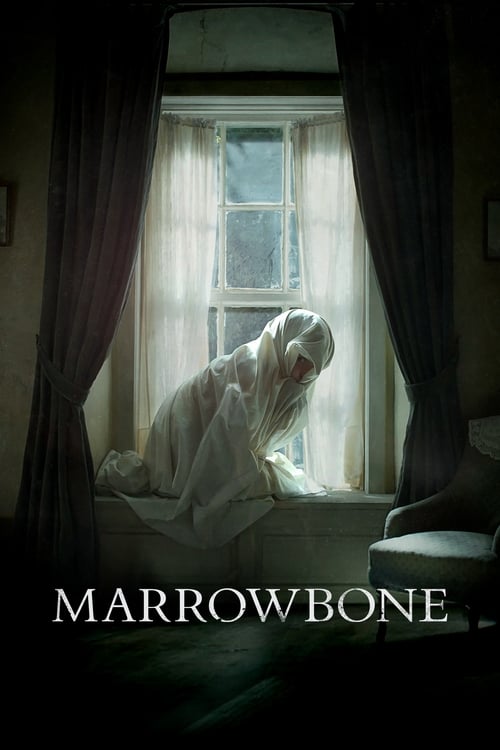
2017
No reviews yet. Be the first to share your thoughts on this movie!
Use the rating form above to leave a star rating and optional review.