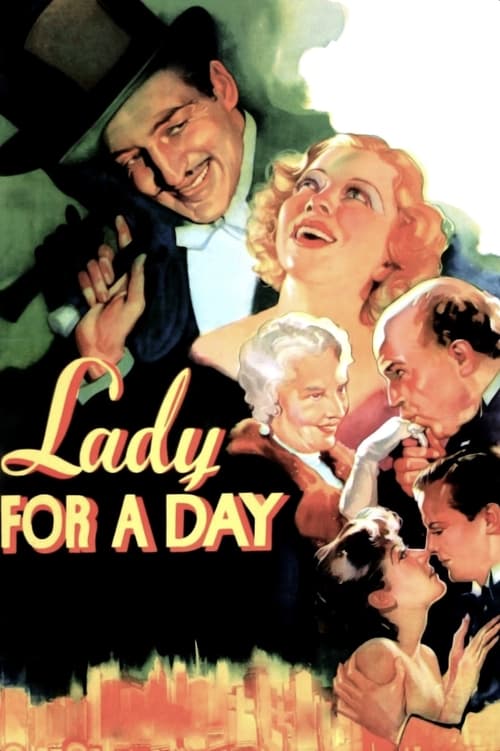
Lady for a Day
1933
No user ratings available yet
Diversity score: 4.1 out of 10

1921
Not RatedDirector
William C. deMille
Runtime
71 minutes
Average Rating
No ratings yetSynopsis
Lois Wilson (as Lulu) is the spinsterish member of the Deacon family: "The family beast of burden, whose timid soul has failed to break the bonds of family servitude." Her brother-in-law is patriarchal Theodore Roberts (as Dwight Deacon); running the house with an iron fist, he is both a dentist and a Justice of the Peace. As the latter, he accidentally marries Ms. Wilson to his visiting brother Clarence Burton (as Ninian Deacon) while they are out for dinner. Schoolteacher Milton Sills (as Neil Cornish) is also interested in Wilson...
Overall Score
Limited
Category Breakdown
LGBTQ+ Representation
The film contains no discernible depictions of non-heteronormative identities or queer narratives. Romantic arcs remain centered within the traditional frameworks of the period.
Gender Representation
Lulu Bett subverts the 'spinster' trope by transitioning from a domestic 'beast of burden' to an autonomous individual. The story prioritizes her emotional awakening over patriarchal subservience.
Racial & Ethnic Diversity
The cast is homogeneous, reflecting the demographic constraints of a 1921 Midwestern production. There is no evidence of intentional racial blending or subversion of racial hierarchies.
Religious & Cultural Diversity
The narrative critiques small-town morality and the oppressive nature of community social standards. It portrays local judgmentalism as a restrictive force that stifles individual growth.
Disability Representation
There are no prominent depictions of physical or neurodivergent disabilities that drive the narrative or serve as central character traits.
Strengths
Areas for Improvement
AI Analysis
Miss Lulu Bett is a sophisticated character study that focuses on the disruption of domestic hierarchies. While limited by the social norms of 1921, the film succeeds in deconstructing the archetype of the repressed woman. The narrative's strength lies in its progressive treatment of gendered agency. By moving the protagonist from systemic servitude to personal independence, the film challenges the era's standards of female passivity. However, the film's impact is significantly tempered by a lack of racial and LGBTQ+ diversity. The homogeneous cast and traditional romantic structures reflect the era's demographic constraints.
1933
1927
1915
1925
1933
1935
1933
1918
1927

1921
1939
1919
No reviews yet. Be the first to share your thoughts on this movie!
Use the rating form above to leave a star rating and optional review.