The Reckoning
1932
No user ratings available yet
Diversity score: 2.3 out of 10
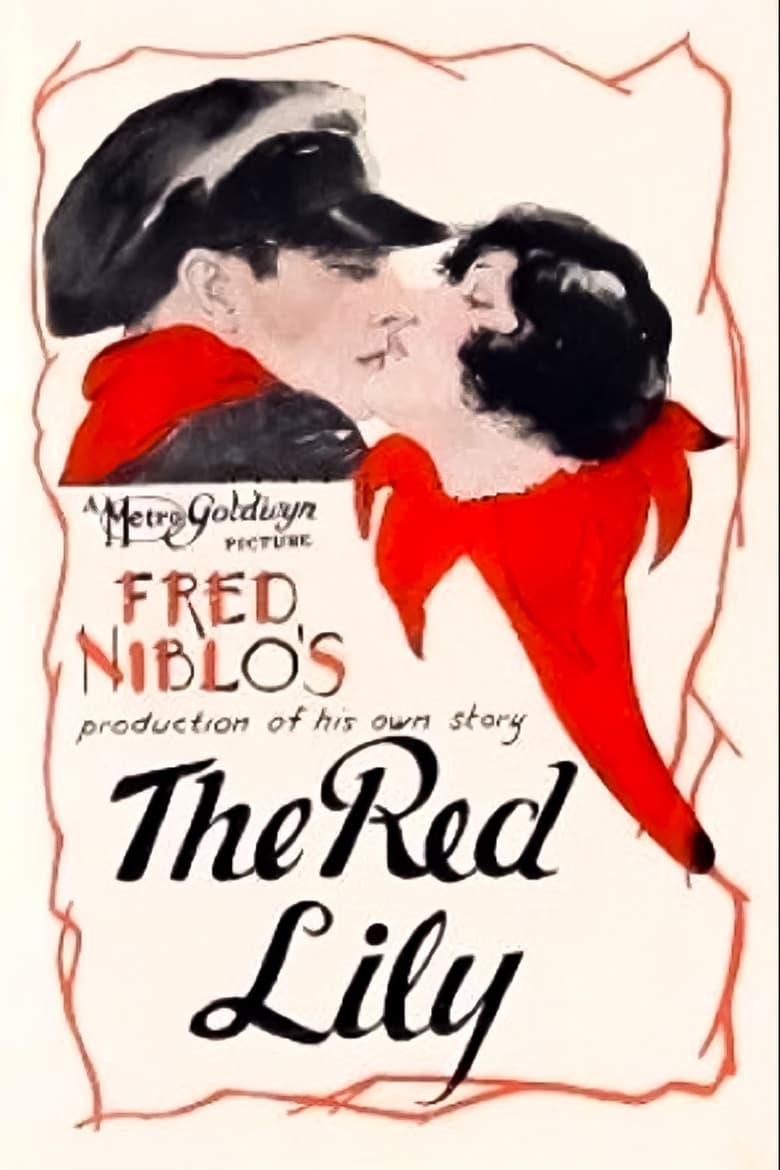
1924
Director
Fred Niblo
Runtime
81 minutes
Average Rating
No ratings yetSynopsis
Jean and Marise, young lovers forced from their homes, flee to Paris. Irrevocably separated there, their lives deviate into the slums and hard labor of low-class French society. All the while, the two desperately search for one another.
Overall Score
Limited
Category Breakdown
LGBTQ+ Representation
The film follows a traditional romantic trajectory between Jean and Marise. There is no evidence of non-cisnormative gender identities or same-sex intimacy.
Gender Representation
Marise holds a central role, focusing on the emotional experiences of the female protagonist. However, her agency is often constrained by socioeconomic pressures and melodramatic tropes.
Racial & Ethnic Diversity
The cast and setting reflect a homogeneous European demographic. There is no evidence of racial blending or non-white casting within this Eurocentric framework.
Religious & Cultural Diversity
The story explores the hardships of the French working class and slums. It focuses on individual romantic longing rather than a systemic critique of institutions.
Disability Representation
There are no discernible depictions of physical, sensory, or neurodivergent identities in the narrative.
Strengths
Areas for Improvement
AI Analysis
The Red Lily is a period-typical silent melodrama that operates within the conventional social and demographic constraints of 1924. Its narrative architecture relies on traditional romantic and class-based tropes rather than intentional subversion. While the film provides a window into the socioeconomic struggles of low-class French society, it lacks representation of marginalized identities. The production reflects the homogeneous European standards of its era. Ultimately, the film functions as a study of individual suffering and romantic longing. It does not engage with modern frameworks of intersectionality or the deconstruction of social hierarchies.
1932

1934

1933
1936

1952
1912
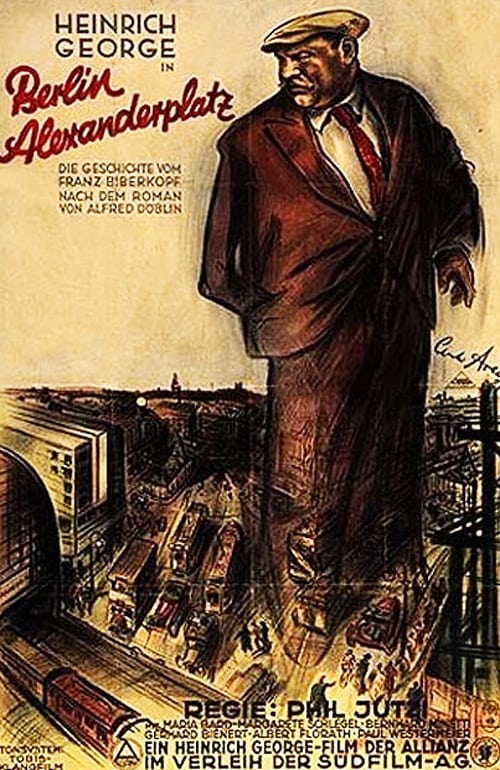
1931
1934
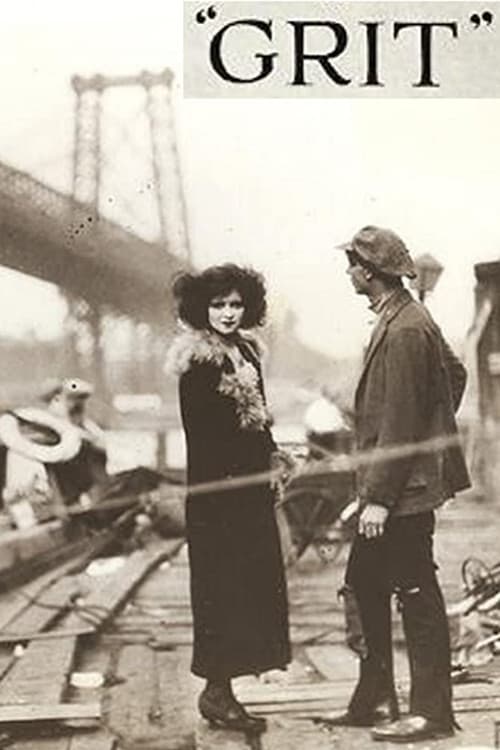
1924

1915

1934

1939
No reviews yet. Be the first to share your thoughts on this movie!
Use the rating form above to leave a star rating and optional review.