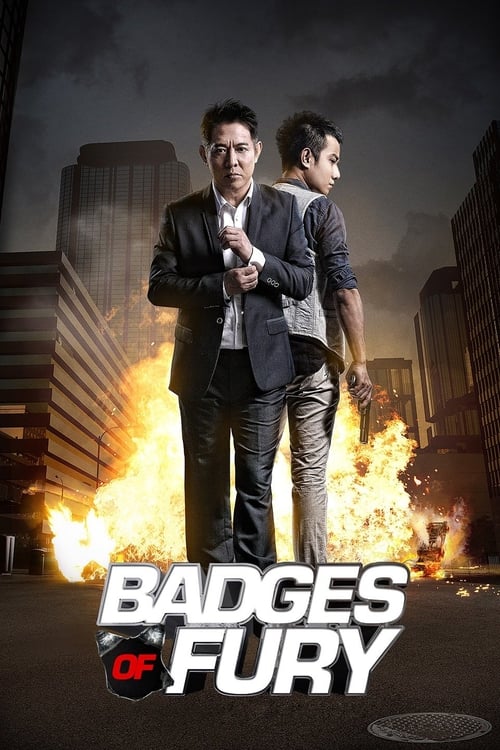
Badges of Fury
2013
No user ratings available yet
Representation score: 3.2 out of 10

Representation Score
Limited
1995
Director
Jamie Luk Kim-Ming
Runtime
94 minutes
Average Rating
No ratings yetNew Showbiz Analysis
The film operates as a genre-driven comedy that examines the tension between urban institutionalism and rural community life. It effectively highlights regional cultural differences but remains focused on traditional masculine power dynamics. The central conflict relies on archetypal male authority figures, limiting the breadth of its social representation. While the cultural clash provides a framework for discussing centralized versus localized power, the film lacks significant multi-layered depth in other areas.
Category Breakdown
The film does not include any characters or narratives related to LGBTQ+ identities or non-assuming gender matches what was assigned at birth identities. It focuses on the tension between urban and rural law enforcement.
The story centers around a male-dominated structure where conflict is driven by masculine archetypes, such as a tough urban officer facing off against a laid-back local leader.
The film contrasts metropolitan heroes with rural villagers, highlighting regional identity and disrupting a monolithic view of Hong Kong through localized community norms.
The plot is driven by a clash of cultures that critiques centralized institutional power. However, the film often prioritizes comedic elements over deeper social critique.
There are no characters with visible or invisible disabilities in the narrative. The story does not address neurodivergence or physical impairments.
Present on Screen
Limited or Absent
Official Synopsis
Michael Chow is the chief cop of Tai O, a small rural town on Hong Kong's outlying Lantau Island. When a local man turns up dead, urban hero cop Michael Wong is sent in to help out the locals… and what follows is a cultural clash that's both humorous and utterly entertaining! Wong is an SDU cop and takes to bullying the locals with tough and hard-handed ways, but his efforts only result in resentment and anger. It's Chow who gets what the odd residents of Tai O are about, and his lackadaisical attitude is just what's needed to handle the prickly locals. But it may take the skills of both men to solve this murder case! Though nominally a cop film, this unique creation is as much a comedy of cultural errors as a murder mystery.
2013
1992
1997
1985
1990
2016

1990
2005
No reviews yet. Be the first to share your thoughts on this movie!
Use the rating form above to leave a star rating and optional review.