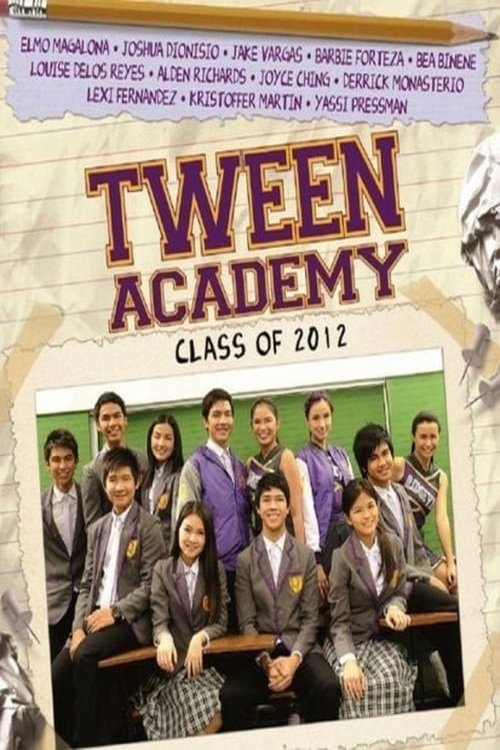
Tween Academy: Class of 2012
2011
No user ratings available yet
Diversity score: 4.2 out of 10
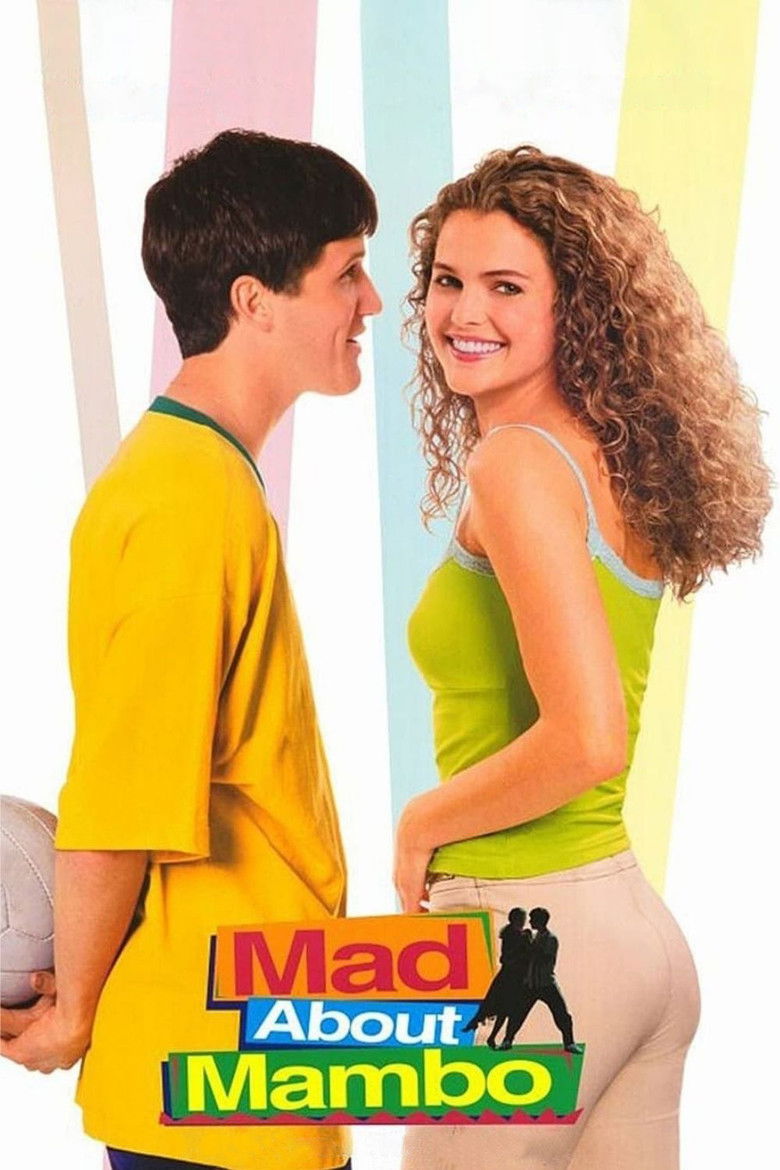
2000
PG-13Director
John Forte
Runtime
92 minutes
Average Rating
No ratings yetSynopsis
High school student tries to improve soccer skills by practicing dance and falls for his dance partner.
Overall Score
Fair
Category Breakdown
LGBTQ+ Representation
The film lacks prominent LGBTQ+ characters or narratives. The romantic structure follows traditional heteronormative patterns typical of its period setting.
Gender Representation
The story centers on a male protagonist's ambitions. Female characters primarily serve as romantic interests or dance partners within conventional 1950s gender roles.
Racial & Ethnic Diversity
The film excels by centering the Black experience in mid-century Los Angeles. It uses a predominantly Black cast to explore cultural identity through dance and music.
Religious & Cultural Diversity
The narrative critiques 1950s social hierarchies through community-based cultural expression. It remains grounded in the specific historical context of the era.
Disability Representation
There are no identifiable portrayals of visible or invisible disabilities. No characters are utilized as plot devices regarding physical or neurodivergent conditions.
Strengths
Areas for Improvement
AI Analysis
Mad About Mambo stands out for its commitment to a non-white-centric narrative, offering a meaningful depiction of Black identity and agency in mid-century Los Angeles. By centering the Black experience through the lens of dance and music, the film disrupts the standard Hollywood tendency to prioritize Anglo-Saxon perspectives in period dramas. However, the film remains socially conservative in its interpersonal dynamics. It adheres to traditional heteronormative romantic structures and maintains conventional gender hierarchies. The female characters largely function within the restrictive social roles of the 1950s rather than subverting them. Ultimately, the film is a nuanced period piece that trades broad social subversion for deep cultural specificity. It succeeds in its racial representation while remaining tethered to the era's standard romantic and gendered norms.
2011
2003

2019

2001
No reviews yet. Be the first to share your thoughts on this movie!
Use the rating form above to leave a star rating and optional review.