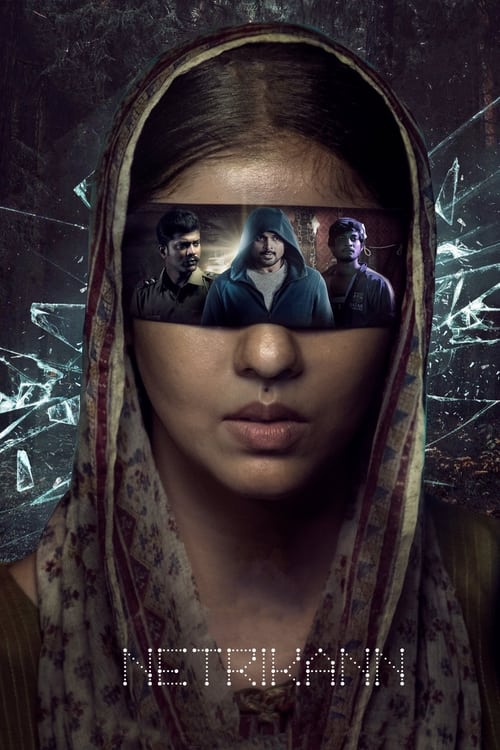
Netrikann
2021
No user ratings available yet
Diversity score: 6.2 out of 10

2016
Not RatedDirector
Priyadarshan
Runtime
157 minutes
Average Rating
No ratings yetSynopsis
A retired judge faces difficulty keeping his daughter safe from a convict he imprisoned. Later, when he gets murdered, a man with visual impairment who was loyal to him tries to defend his daughter.
Overall Score
Good
Category Breakdown
LGBTQ+ Representation
The narrative focuses on paternal bonds and legal conflicts. There is no visible engagement with LGBTQ+ themes or non-heteronormative identities in the plot.
Gender Representation
The daughter serves as the emotional anchor and the primary driver of the film's tension. However, her agency remains largely tied to the protective actions of the male characters.
Racial & Ethnic Diversity
As an Indian production, the film offers a non-Western perspective. It operates within a specific regional cultural framework, providing a departure from homogeneous global cinema.
Religious & Cultural Diversity
The story explores justice, legal morality, and the consequences of systemic decisions. It interrogates institutional authority through the lens of a retired judge's past.
Disability Representation
A visually impaired character serves as a central protector rather than a passive figure. This role grants the character significant agency and narrative momentum within the thriller.
Strengths
Areas for Improvement
AI Analysis
Oppam stands out for its subversion of disability tropes, centering a visually impaired character as a proactive hero. This provides a refreshing level of agency rarely seen in mainstream thrillers. While the film excels in disability representation, it lacks engagement with LGBTQ+ themes. The gender dynamics are also somewhat traditional, as the female lead's role is primarily defined by the need for protection. Ultimately, the film provides a meaningful, non-Western perspective on morality and justice, balancing its narrow identity focus with strong, character-driven storytelling.
2021
2001

2005

2011
2009
1986

2019
1989
2010

2012
2004

2017
No reviews yet. Be the first to share your thoughts on this movie!
Use the rating form above to leave a star rating and optional review.