Second Sight
2007
No user ratings available yet
Representation score: 2.3 out of 10
Representation Score
Fair
2004
PG-13Director
Michael M. Scott
Runtime
90 minutes
Average Rating
No ratings yetNew Showbiz Analysis
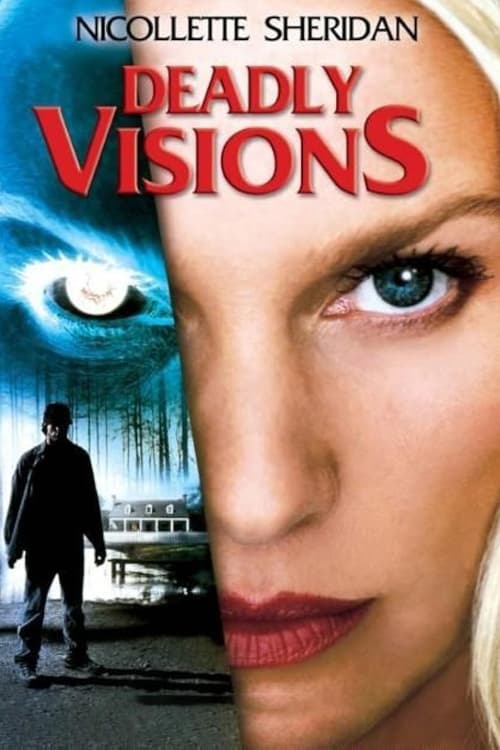
Deadly Visions functions as a typical early-2000s TV-movie thriller, focusing on suspense and individual mystery rather than social commentary. The narrative relies on traditional genre clichés rather than intentionally progressive representation. While the film features a central female lead who drives the investigation, her actions are rooted in personal trauma. This keeps the story within a conventional framework rather than deconstructing gender hierarchies. Overall, the production lacks depth in reflecting multiple aspects of identity. The focus on a specific medical mystery suggests a homogeneous cast and a narrative that avoids challenging established cultural or social norms.
Category Breakdown
The film does not include any explicit LGBTQ+ characters or stories. The plot revolves around a female protagonist investigating a donor, which follows a typical narrative structure.
Nicolette Sheridan plays a central role in driving the investigation, but her actions are driven by personal trauma rather than challenging traditional gender roles.
The cast appears to be predominantly white, with no indication of a diverse or non-Anglo-Saxon majority. The story centers on a specific medical case, suggesting a homogeneous narrative.
The story follows Western thriller conventions and traditional moral frameworks. It does not challenge established social institutions or present alternative viewpoints.
The film explores sensory experiences after an eye transplant. It is unclear if the protagonist gains real control over her situation or if the medical condition is just used as a plot device.
Present on Screen
Limited or Absent
Official Synopsis
A woman (Nicolette Sheridan) who underwent an eye transplant is haunted by visions of her donor's last moments of life, and she is convinced that the woman was murdered.
2007
2002

2008
2008
1990

2010
1997
1992
No reviews yet. Be the first to share your thoughts on this movie!
Use the rating form above to leave a star rating and optional review.