Four Letter Words
2000
No user ratings available yet
Representation score: 2.6 out of 10
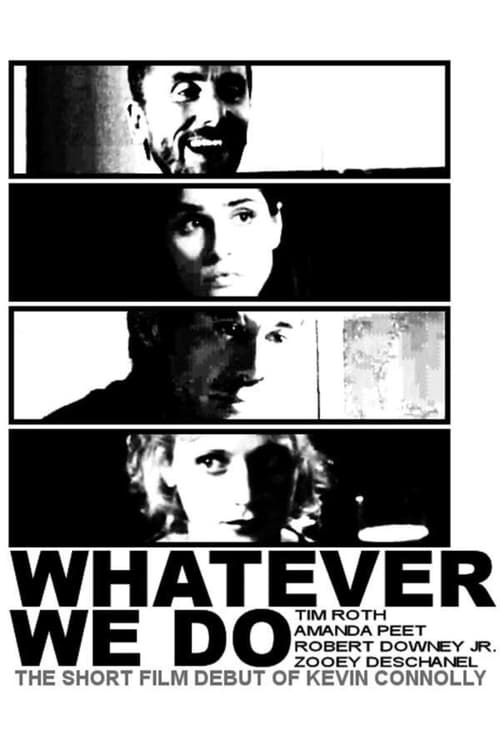
Representation Score
Limited
2003
Director
Kevin Connolly
Runtime
25 minutes
Average Rating
No ratings yetNew Showbiz Analysis
Whatever We Do is a character-driven ensemble comedy-drama that prioritizes interpersonal dynamics over systemic social critique. The plot centers on four friends navigating truths through heavy alcohol consumption, a premise that leans into social dysfunction rather than multi-layered identity politics. The film reflects the standard mid-tier ensemble clichés of the early 2000s. It lacks specific evidence of diverse racial, gendered, or LGBTQ+ representation, suggesting a focus on a homogeneous group navigating personal conflicts. Ultimately, the work functions as a study of social interaction and escapism. It does not appear to intentionally deconstruct social hierarchies or promote diverse cultural perspectives.
Category Breakdown
The film does not include confirmed LGBTQ+ characters or narratives that challenge the assumption that everyone is straight or cisgender. It follows the narrow focus on straight relationships common in early-2000s ensemble comedies.
While the story centers on four friends, it provides no specific gendered descriptors. There is no evidence of women's ability to drive the story or the subversion of traditional gender hierarchies.
The narrative suggests a potentially homogeneous social circle. There is no evidence of a non-white majority cast or diverse racial representation within the ensemble.
The focus on alcohol and debauchery suggests a departure from traditional moralizing narratives. However, it remains unclear if the film critiques Western social institutions or uses escapism for comedy.
There is no information available regarding the inclusion of characters with visible or invisible disabilities.
Present on Screen
Limited or Absent
Official Synopsis
Twenty margaritas and 10 shots of tequila, with a few ounces of debauchery, bring four friends closer to the truth than they have been for years.
2000

2015
2014
1999
2017
2011
2006

2014
No reviews yet. Be the first to share your thoughts on this movie!
Use the rating form above to leave a star rating and optional review.