
Flight World War II
2015
No user ratings available yet
Representation score: 3.2 out of 10
Representation Score
Limited
1979
Director
Kōsei Saitō
Runtime
139 minutes
Average Rating
No ratings yetNew Showbiz Analysis
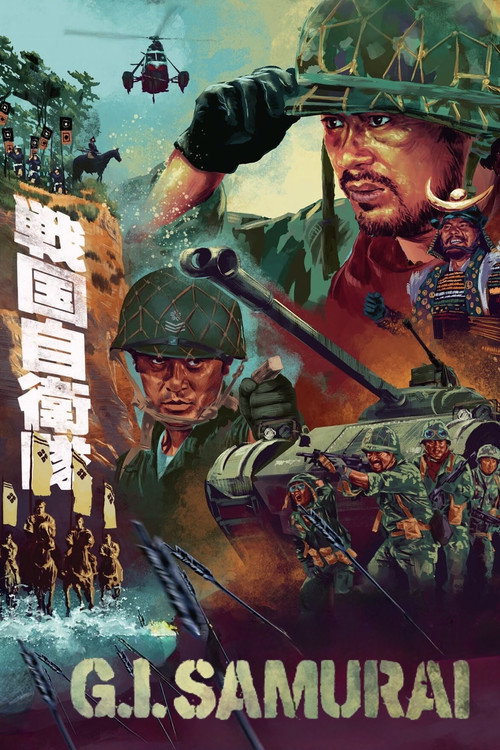
G.I. Samurai is a genre-driven action film that uses a science fiction premise to explore the instability of cultural identity. While it lacks modern multi-layered visibility, it offers a sophisticated subtext regarding the friction between eras. The film's complexity comes from its portrayal of cultural friction and the obsolescence of traditional hierarchies. By contrasting modern military technology with feudal structures, it highlights how systemic change affects individual roles. Ultimately, the film critiques the idea of historical permanence, using moral ambiguity and shifting loyalties to challenge the perceived sanctity of the Bushido code.
Category Breakdown
The film adheres to a traditional masculine framework typical of 1970s action cinema. It does not include any non-binary gender identities or narratives that question the assumption that everyone is straight.
The story focuses mainly on male soldiers and samurai, emphasizing their roles in combat and political strategy. Women have minimal influence in the plot.
The film includes a nuanced look at cross-cultural interactions. By featuring a Western presence, it breaks the usual homogeneity found in period dramas.
The film effectively explores the decline of the samurai class and the breakdown of the established social order. It presents these changes as part of a larger systemic shift.
There is no representation of physical or neurodivergent disabilities. Characters are primarily defined by their combat skills.
Present on Screen
Limited or Absent
Official Synopsis
A squadron of Japanese Self-Defense Force soldiers find themselves transported through time to their country's warring states era, when rival samurai clans were battling to become the supreme Shogun.
2015
1984

2005
1980

1984
2010
1988
2016
No reviews yet. Be the first to share your thoughts on this movie!
Use the rating form above to leave a star rating and optional review.