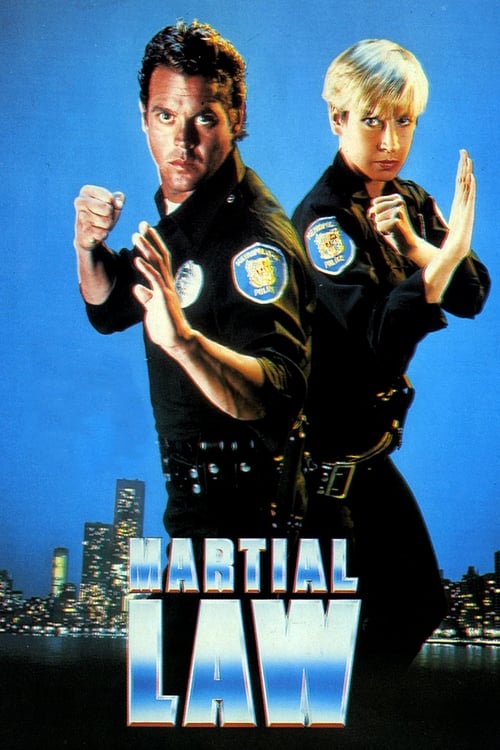
Martial Law
1990
No user ratings available yet
Representation score: 3.3 out of 10
Representation Score
Limited
1991
RDirector
Kurt Anderson
Runtime
95 minutes
Average Rating
No ratings yetNew Showbiz Analysis
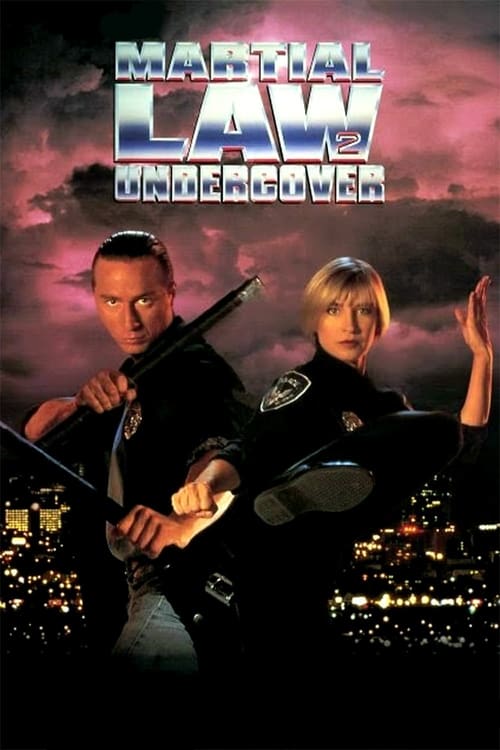
Martial Law II: Undercover is a standard 1990s action procedural that prioritizes genre clichés over social complexity. While it avoids the most restrictive gender roles through its female lead, it remains firmly rooted in the era's conventional social hierarchies. The film's strength lies in its subversion of the damsel in distress cliché, yet it fails to provide meaningful representation for LGBTQ+ individuals or people with disabilities. The narrative structure is designed around physical perfection and traditional authority. Ultimately, the film functions as a straightforward crime thriller. It lacks the depth or systemic critique necessary to move beyond the standard clichés of early 90s direct-to-video cinema.
Category Breakdown
The film follows a traditional law enforcement partnership with no representation of LGBTQ+ identities or same-sex relationships, adhering to the assumption that everyone is straight or cisgender.
Billie Blake takes a significant role in driving the story by choosing to go undercover independently. Cynthia Rothrock’s character challenges the typical damsel in distress cliché by showcasing female physical competence.
The Los Angeles setting includes actors of different races, but the narrative remains centered on white protagonists following the standard crime-thriller conventions of the era.
The story operates within a Western framework of justice and institutional authority, reinforcing the legitimacy of law enforcement without critiquing Western institutions or systemic order.
The narrative emphasizes martial arts mastery and physical prowess, with no visible or invisible disabilities portrayed, focusing on able-bodiedness as a central requirement.
Present on Screen
Limited or Absent
Official Synopsis
Sean and Billie are undercover cops and martial arts masters. Investigating the death of a cop, they uncover a deadly ring of murder and corruption at a glitzy nightclub, where the rich are entertained by seductive women and protected by martial arts experts. Billie goes undercover to infiltrate the crime ring, leading to an explosive finale.
1990
1995
1994

1988
1993
1983

1987
1996
No reviews yet. Be the first to share your thoughts on this movie!
Use the rating form above to leave a star rating and optional review.