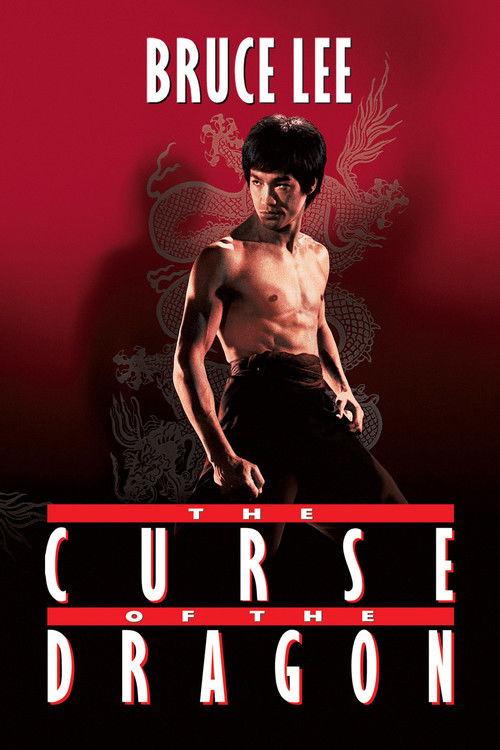
The Curse of the Dragon
1993
No user ratings available yet
Representation score: 2.5 out of 10
Representation Score
Limited
1980
RDirector
Matthew Mallinson
Runtime
86 minutes
Average Rating
No ratings yetNew Showbiz Analysis
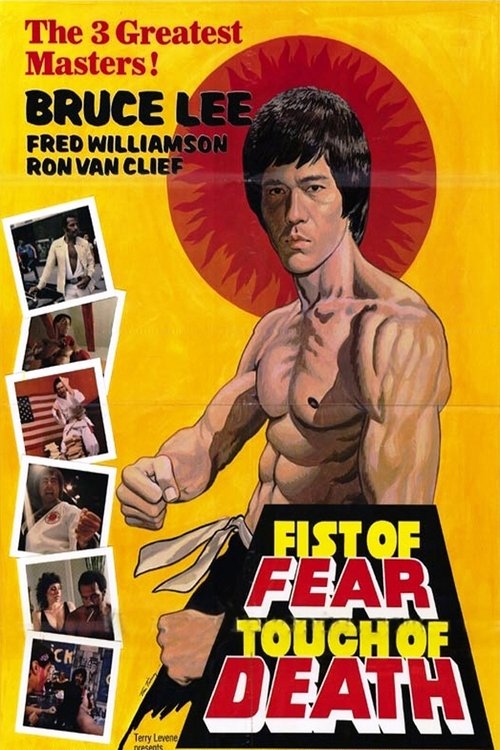
Fist of Fear, Touch of Death is a documentary-style film that focuses on the legacy of Bruce Lee. Its main strength is providing a non-Western perspective in an era often dominated by Anglo-centric narratives. However, the film's reliance on repurposed archival footage and its focus on martial arts promoters limits its ability to provide deep, intentional social commentary. The narrative structure leans heavily on genre clichés rather than complex storytelling that considers multiple aspects of identity. Ultimately, while the film celebrates a significant cultural icon, it adheres to the conventional gender and social dynamics of 1980s action media, offering little in the way of progressive representation.
Category Breakdown
The film doesn't include any explicit LGBTQ+ characters or stories. It focuses mainly on the martial arts legacy of Bruce Lee.
The movie centers on traditional masculine roles common in 1980s action films. Women don't have prominent roles or much control over their own lives.
By focusing on Bruce Lee, the film challenges Anglo-centric views. It highlights the importance of an Asian martial arts icon.
The film looks at how a cultural icon is understood by different groups. It doesn't critique Western institutions or promote secular ideas.
There is no information about the portrayal of physical or neurodivergent disabilities in the film.
Present on Screen
Limited or Absent
Official Synopsis
A television reporter interviews fighters and promoters about Bruce Lee in preparation for a tournament to claim the title of “Successor to the Bruce Lee legacy”. Footage from Bruce Lee's films and interviews is repurposed in pseudo-documentary style.
1993
2000
1984

2012
1994
1947
1977

1973
No reviews yet. Be the first to share your thoughts on this movie!
Use the rating form above to leave a star rating and optional review.