Dusk for a Hitman
2023
No user ratings available yet
Representation score: 1.1 out of 10
Representation Score
Limited
1999
RDirector
Nicholas Sturghill
Runtime
105 minutes
Average Rating
No ratings yetNew Showbiz Analysis
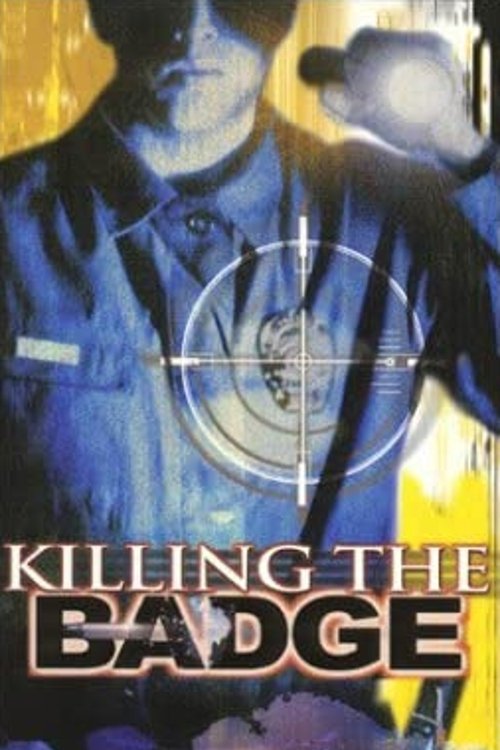
Killing the Badge is a crime thriller that focuses on institutional critique rather than social diversity. The plot centers on a wealthy individual seeking vengeance against corrupt police, offering a critical look at the legal system and its flaws. However, the film remains tied to traditional genre conventions. Its narrative structure is heavily male-focused, and the lack of detailed casting information suggests a homogeneous approach to character development. Ultimately, while the film challenges the notion of a just law enforcement officer, it falls short in providing broader representation of various demographics and identities.
Category Breakdown
The film does not include any LGBTQ+ characters or stories related to sexual orientation or gender identity.
The story revolves around a male protagonist seeking revenge. There is no strong presence of female characters or exploration of gender roles that challenge traditional gender norms.
The film does not provide specific information about racial diversity among its characters. It adheres to typical Western thriller conventions that often feature predominantly white casts.
The narrative questions the legitimacy of Western institutions by portraying law enforcement as corrupt and unjust. This challenges the usual depiction of state authority as inherently fair.
There is no mention of characters with visible or invisible disabilities in the film.
Present on Screen
Limited or Absent
Official Synopsis
Andrew Suire and Nicholas Sturghill star in this independent production that's based on a true story about a billionare who hires an assassin to wipe out the crooked cops who wrongfully murdered his son.
2023
2023
1997

1993
1974

2009
1998

1989
No reviews yet. Be the first to share your thoughts on this movie!
Use the rating form above to leave a star rating and optional review.