Clubland
2007
No user ratings available yet
Diversity score: 3.0 out of 10
1997
RDirector
Bart Freundlich
Runtime
93 minutes
Average Rating
No ratings yetSynopsis
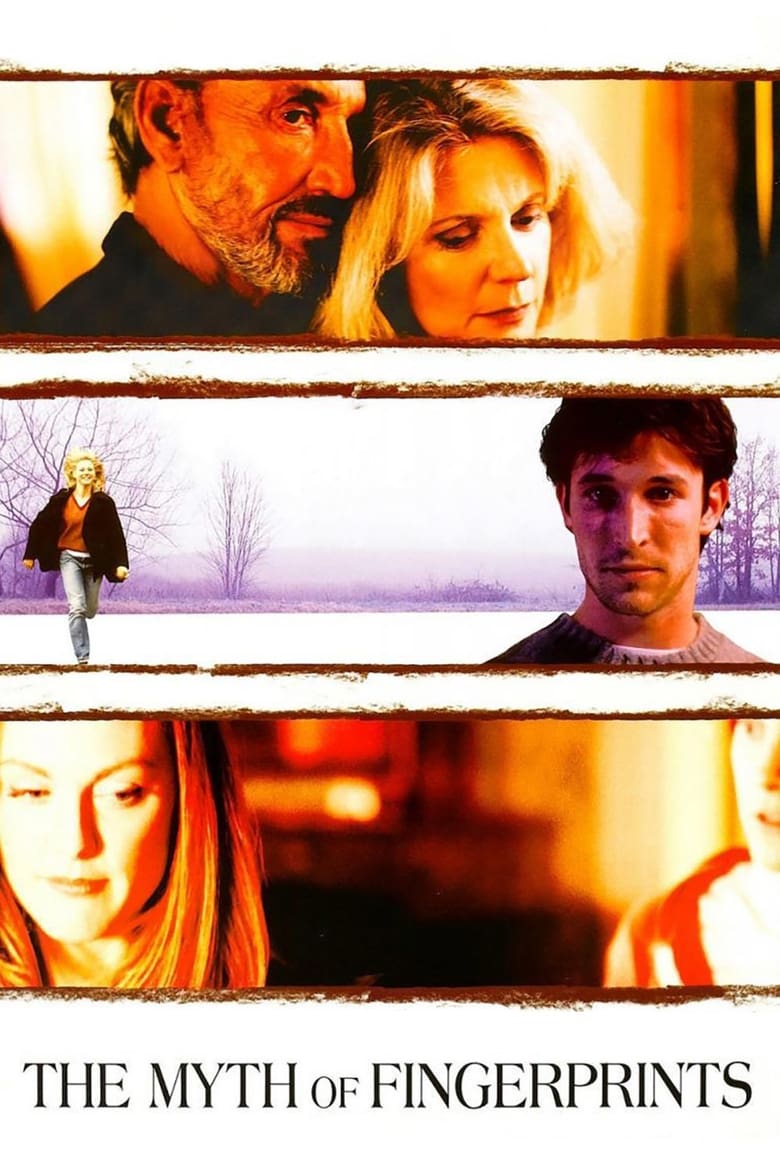
When a New England dysfunctional family gathers for Thanksgiving, past demons reveal themselves as one son returns for the first time in three years.
Overall Score
Fair
Category Breakdown
LGBTQ+ Representation
The film lacks explicit evidence of LGBTQ+ characters or narratives. While independent dramas of this era often explored identity through subtext, there is no confirmed presence of queer representation.
Gender Representation
The story focuses on interpersonal power dynamics within a family. It likely explores the psychological complexities and emotional labor of female characters through the lens of domestic dysfunction.
Racial & Ethnic Diversity
The New England setting suggests a predominantly white, homogeneous cast. The narrative appears to adhere to the traditional demographic norms typical of the region and the 1997 era.
Religious & Cultural Diversity
The film deconstructs Western traditions by using a Thanksgiving gathering to highlight family dysfunction. It challenges the idealized notion of the holiday as a site of unity.
Disability Representation
There is no information regarding the inclusion of characters with physical, neurodivergent, or mental health disabilities.
Strengths
Areas for Improvement
AI Analysis
The Myth of Fingerprints is a character-driven study of a dysfunctional New England family. It prioritizes psychological realism and the deconstruction of the traditional nuclear family unit over broad demographic representation. While the film succeeds in challenging the sanctity of Western domestic institutions, it lacks significant markers of intersectional identity. The narrative architecture relies heavily on established social norms of the late 1990s. Ultimately, the film functions as a domestic deconstructionist piece. It finds its strength in exploring the fragility of familial structures rather than through diverse casting or explicit identity politics.
2007

2010

2011
2008
No reviews yet. Be the first to share your thoughts on this movie!
Use the rating form above to leave a star rating and optional review.