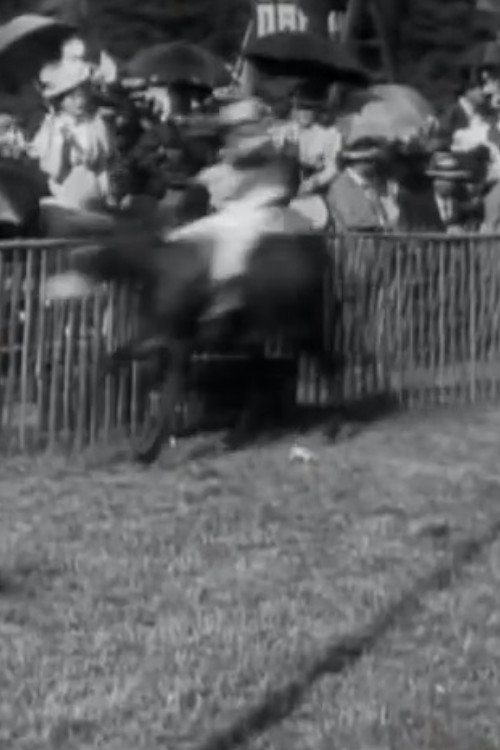
Courses d'ânes: II, la course
1897
No user ratings available yet
Representation score: 0.0 out of 10
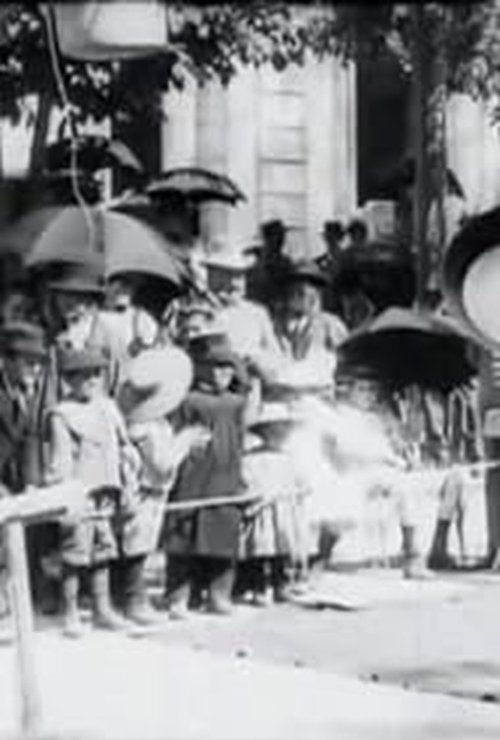
Representation Score
Minimal
1898
Director
Louis Lumière
Runtime
1 minutes
Average Rating
No ratings yetNew Showbiz Analysis
As a foundational piece of early cinema, this film serves as a historical document of everyday life. It prioritizes observational realism over narrative or identity-focused storytelling. The representation adheres strictly to the social norms and ethnographic limitations of the late 19th century. It does not engage with multi-layered identities or social subversion. Ultimately, the film captures a specific historical moment, presenting a homogeneous and conventional view of domesticity.
Category Breakdown
The film does not include any representation of LGBTQ+ identities or same-sex relationships. It focuses solely on a traditional domestic scenario.
The film reinforces traditional gender roles by depicting a woman engaged in domestic tasks. It portrays a typical 19th-century archetype without challenging gender hierarchies.
The film shows a homogeneous depiction of a contemporary French woman. It lacks any diversity in race or ethnicity, reflecting the localized context of early Lumière works.
This work provides a glimpse into late 19th-century Western domestic life. It presents a neutral view of daily activities that aligns with the era's social norms.
The film shows a standard domestic task. There are no visible or invisible disabilities or neurodivergent traits portrayed in the scene.
Present on Screen
Limited or Absent
1897
1896
1899
1897

1897
1896
1897
1896
No reviews yet. Be the first to share your thoughts on this movie!
Use the rating form above to leave a star rating and optional review.